Behind the ear tattoo ideas and placement
Behind the ear is a tiny curved spot over bone: quick to tattoo, easy to hide under hair, and unforgiving of fine detail.
- Pain level6 to 7 / 10 over bone
- Session time15 to 45 minutes
- Typical size2 to 5 cm (1 to 2 in)
- Studio cost$80 to $250
Behind the ear is a small patch of thin skin over the mastoid bone, roughly 4 cm wide and 5 cm tall before the design runs onto the neck or into the hairline. It is a spot for one small thing rather than a scene, and that limitation is most of its appeal.
It is also the loudest placement on the body. The machine works a few centimetres from your ear and the buzz conducts through the skull. Most people find the noise harder than the pain, which is manageable, and the whole appointment is usually over inside half an hour.
How much it hurts and how long it takes
Rate it 6 to 7 out of 10. The mastoid bone sits right under the skin with no muscle or fat over it, so the sensation is sharp and bony rather than dull. The strip closest to the ear is noticeably worse than the softer patch further down where the area meets the neck.
Because the piece is small, sessions run 15 to 45 minutes. That short window is why this placement is popular as a second or third tattoo: the discomfort is real but brief. Bring earplugs if the buzzing worries you, and tell the artist if you need a moment to reset.
Sizing for a four centimetre teardrop
The usable area is a teardrop, wider at the top near the ear and narrowing as it runs down toward the jaw. Keep the design 2 to 5 cm (1 to 2 in) tall and vertical. Anything wider runs into the ear on one side and the hairline on the other, leaving the artist nowhere to finish it.
Detail is the enemy. The surface curves in two directions at once and the skin is thin, so tightly spaced lines merge sooner here than on an arm. One clear shape with open space inside it will still read in fifteen years. A dense little illustration will not. Think of it as one idea rendered clearly rather than a small picture packed with detail.
Designs that fit the space
- A single symbol 2 to 3 cm tall with open space inside
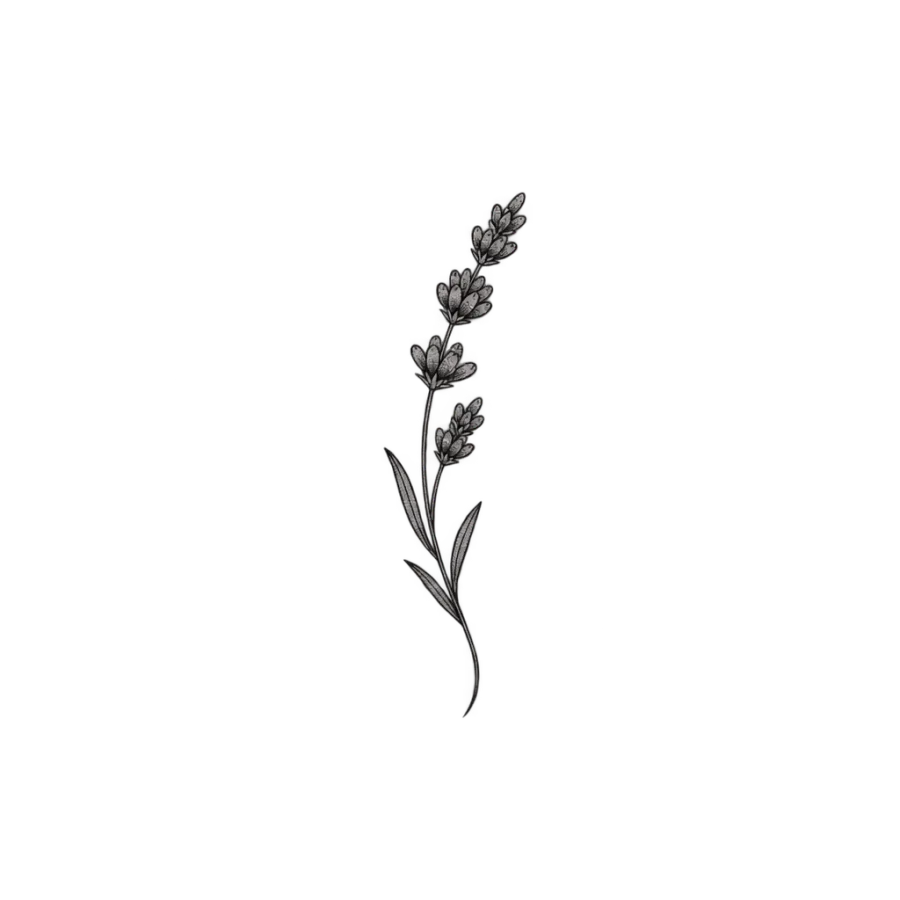
- A short vertical sprig running down toward the jaw
- Two or three small elements in a vertical line
- A short word set in clear letters at least 5 mm tall
Healing around hair, glasses and pillows
The practical problems are hair, glasses and pillows. Shampoo and styling product run straight over the area in the shower, the arm of a pair of glasses rests right on it, and sleeping on that side presses it into the pillowcase. Expect the artist to shave a small patch of hair as well.
For two weeks, wash with your head tilted away, switch to contact lenses if you can and change your pillowcase often. Long term, the area is shaded by hair for most people and fades slowly. If you wear your hair short or up a lot, use sunscreen, because it catches more sun than you would think.
Styles that suit it and who will see it
Minimalist, fine line and small dotwork designs are what this spot is for. A simple symbol, a tiny botanical, a short word, a few stars, a small crescent. Bold miniature blackwork works too. What does not work is shading gradients or more than a handful of separate elements crowded together.
Visibility depends entirely on your hair. Worn down, a behind the ear tattoo is invisible. Tied up, short or shaved, it is one of the most noticeable placements there is, sitting right beside your face. Think about how often you wear your hair up before deciding how bold to go.
12 behind the ear tattoo designs, with the prompt behind each one
Every design below came out of AI Tattoo Lab. Tap one to load its prompt into the generator, then change a word and make it yours.

A small crescent moon with three tiny stars trailing beneath it, minimalist thin linework
Use this prompt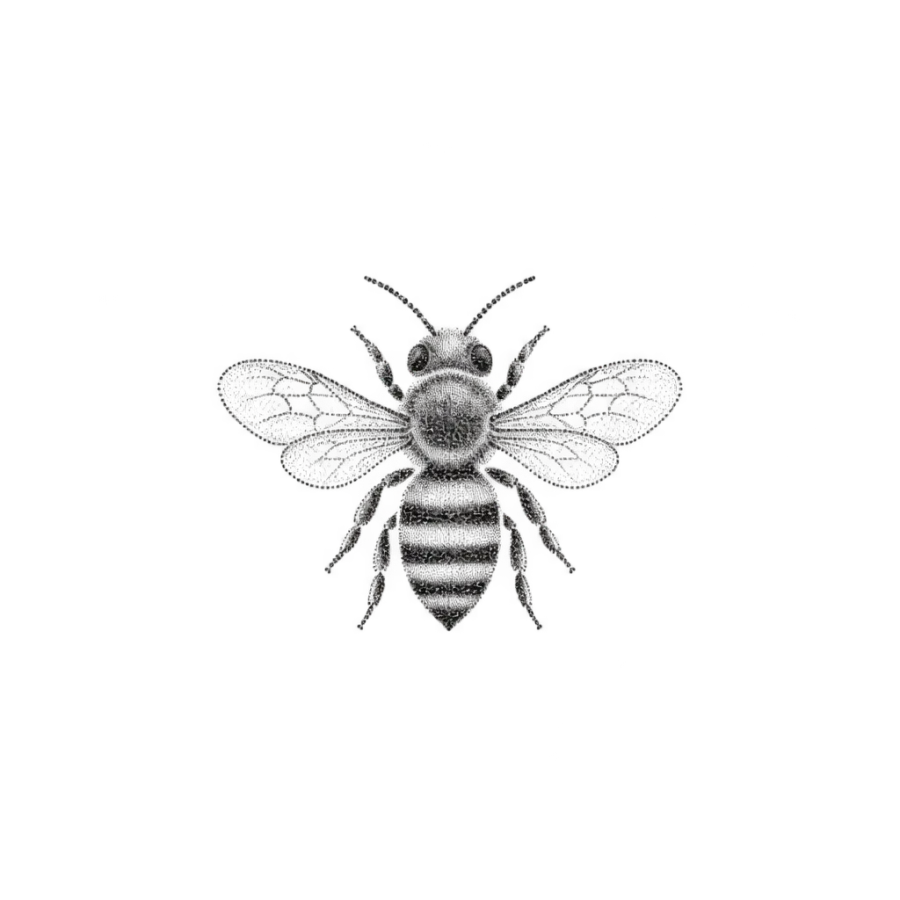
A tiny honey bee with a striped body and open wings behind the ear, dotwork
Use this prompt
A tiny ornate key in solid silhouette behind the ear, blackwork, no shading
Use this prompt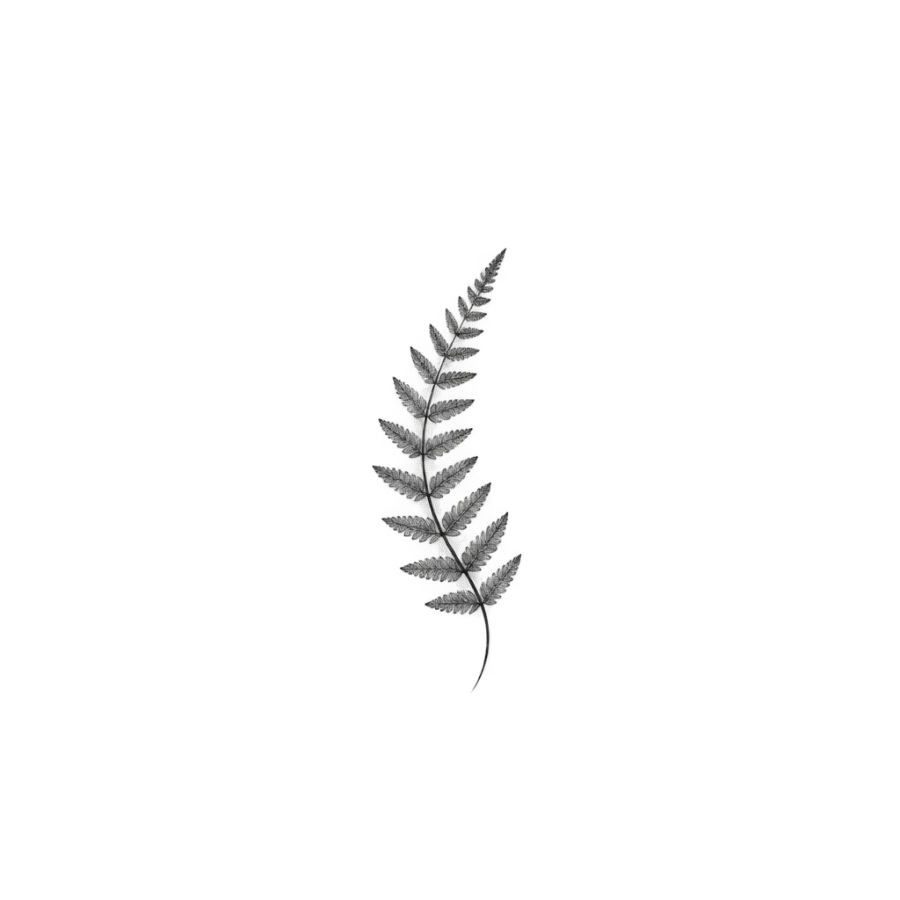
A tiny fern frond curving along a slim arc, under four centimetres tall
Use this prompt
A tiny swallow in flight drawn with one continuous unbroken line
Use this prompt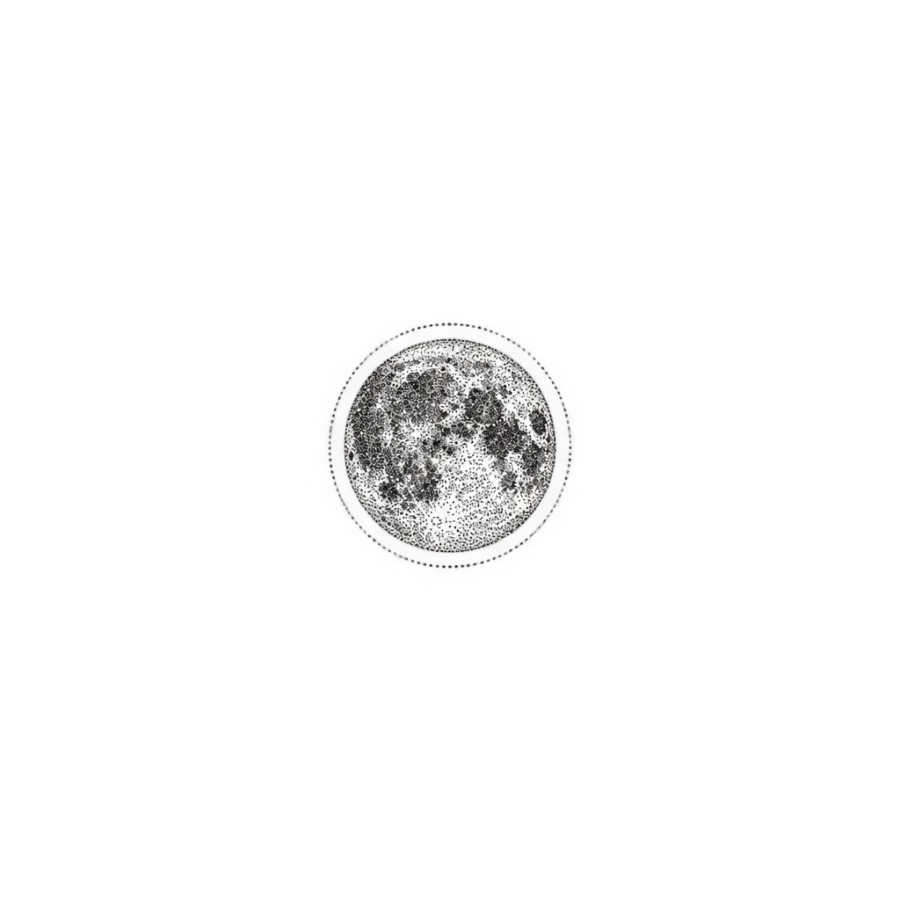
A tiny full moon disc with a thin outer ring, under four centimetres
Use this prompt
A tiny pair of solid black cherries on a slim stem with one leaf
Use this prompt
A small lace droplet with scrollwork curls and a row of tiny beads
Use this prompt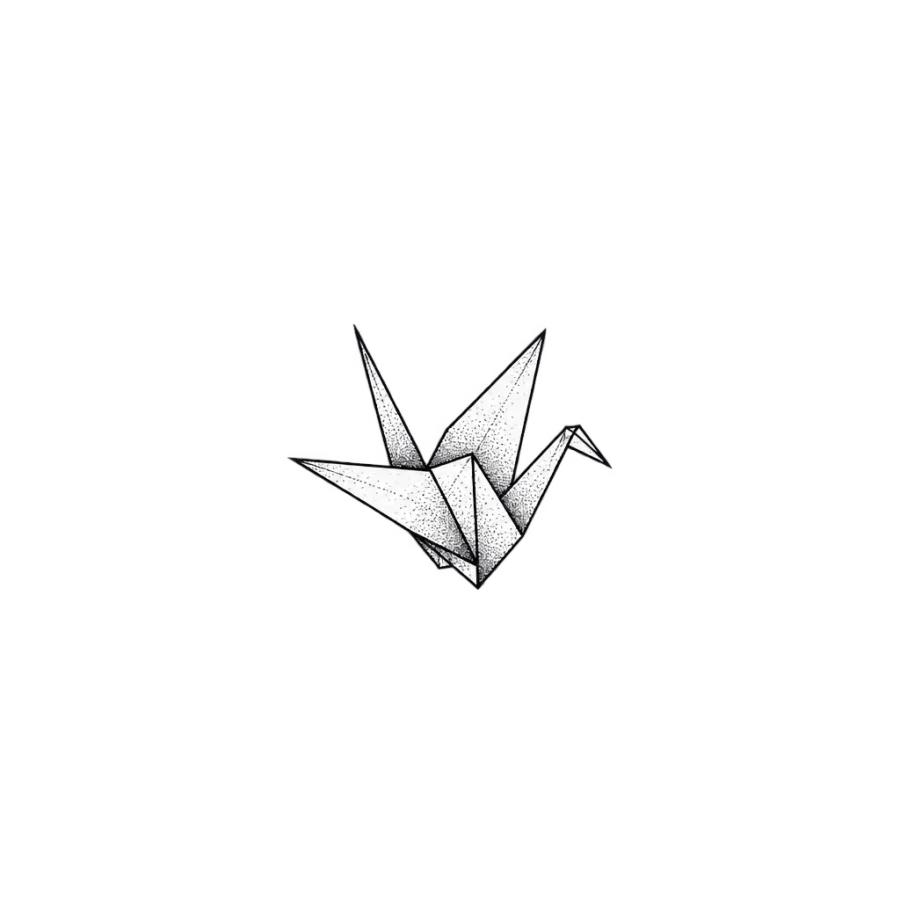
A tiny origami paper crane with crisp folds, under four centimetres tall
Use this prompt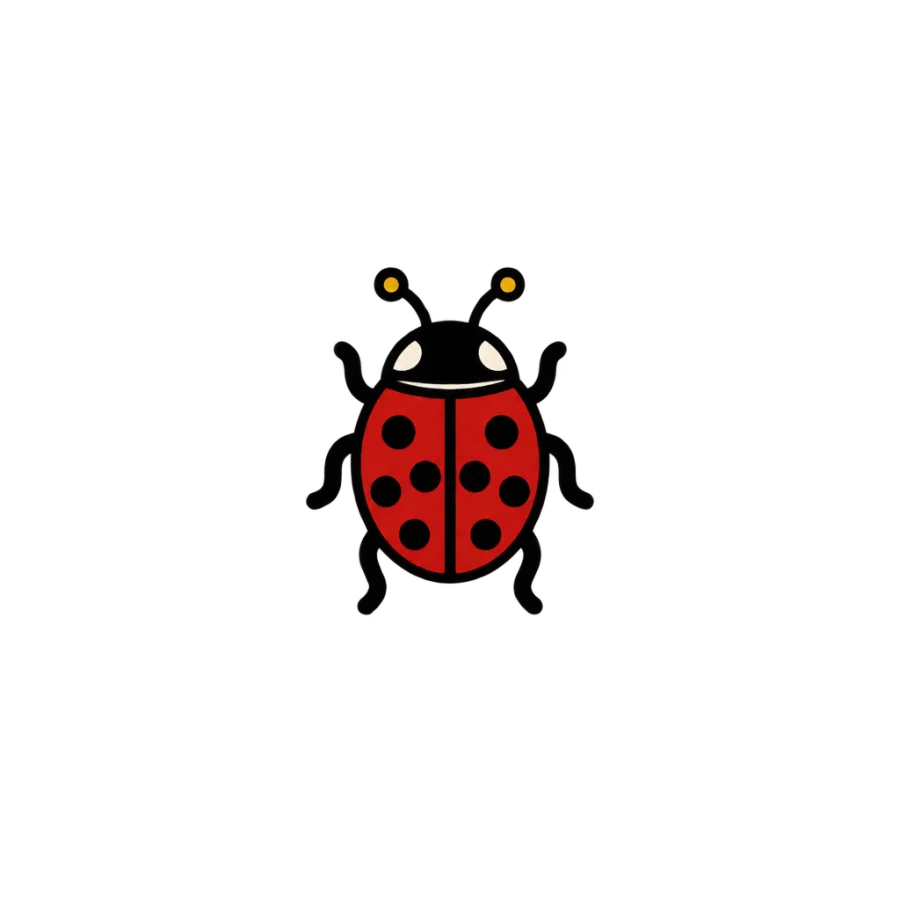
A tiny ladybug seen from above with spotted wing cases, very small
Use this prompt
A tiny hexagon outline framing a small mountain peak, very small
Use this promptDescribe an idea of your own and get four designs back in about 20 seconds.
Open the generator
Questions people ask
Does a behind the ear tattoo hurt?
About 6 to 7 out of 10. The mastoid bone sits directly under thin skin with no padding, so it feels sharp. Most people report the buzzing noise so close to the ear as the harder part. It is quick, usually finished in fifteen to forty five minutes.
How much does a behind the ear tattoo cost?
Usually $80 to $250. A small simple symbol often just meets the shop minimum of $80 to $150. Something with more linework, or a matching pair behind both ears, runs $200 to $350. It is one of the cheapest placements because the sitting is so short.
Will they shave my hair for it?
Usually a small patch, yes. The area needs to be clean and free of stubble for the stencil to sit and for the skin to heal. The shaved patch is small, sits behind the ear where hair falls over it, and grows back within a few weeks.
Do behind the ear tattoos fade?
They hold up reasonably well if the design is simple, because hair shields the area from sun for most people. Fine lines placed close together will merge over ten to fifteen years, since the skin is thin and curved. Open designs with space between elements age best.
How big can a behind the ear tattoo be?
About 2 to 5 cm tall, roughly 1 to 2 inches, and no more than 3 or 4 cm wide. Beyond that the design runs into the ear or the hairline. If you want something larger, let it continue down onto the side of the neck instead.