Back tattoo ideas and placement
The back is the biggest canvas you have, hidden by every shirt, and the only place a full scene fits at a readable size.
- Pain level4 to 7 / 10 by zone
- Session time4 to 8 hours per sitting
- Typical size50 x 65 cm (20 x 26 in)
- Studio cost$1,500 to $6,000 full
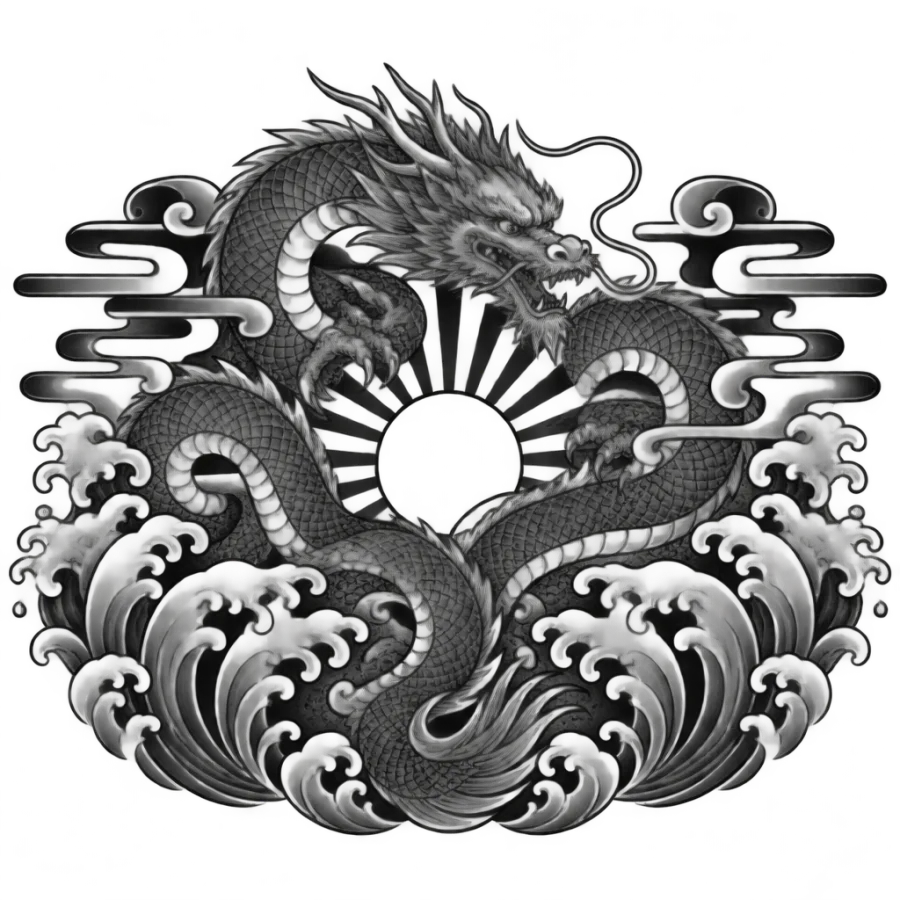
The back is the largest uninterrupted area on the body, roughly 40 to 50 cm (16 to 20 in) wide and 55 to 65 cm (22 to 26 in) from the base of the neck to the top of the hips. It is the only placement that holds a full narrative scene at a scale you can actually read.
It is also the placement you will see the least. A back piece is for the shape it gives your body and for the people standing behind you. Large back work costs real money and real hours, usually spread over months, so pick an artist whose finished back pieces you have seen fully healed.
How much a back tattoo hurts
The back is uneven. Fleshy areas over the lats and the lower back sit around 4 out of 10. Over the shoulder blades, along the spine and across the top of the hips, where bone is close to the surface, it rises to 6 or 7. The nape of the neck and the tailbone are the sharpest points.
Sessions here are long because there is so much ground to cover. Four to eight hours at a time is normal, and a full back piece often totals 20 to 40 hours across six to twelve sittings. Lying face down that long is tiring in its own right, so eat beforehand and bring water and a phone charger.
Back pain by zone
- Over the lats and the sides: 4 out of 10
- Lower back over muscle: 4 to 5 out of 10
- Shoulder blades: 6 out of 10
- Along the spine and over the tailbone: 7 to 8 out of 10
Using the scale properly
Scale is the whole point of a back piece. A single motif that would look crowded on an arm can breathe here. Full back designs usually work best as one composition with a clear center and a flow that reads top to bottom, since that is how the eye travels when someone is standing behind you.
Smaller options fit the same space: a shoulder blade piece of 15 to 20 cm (6 to 8 in), a horizontal band across the upper back, or a lower back design of 20 to 30 cm (8 to 12 in). What rarely works is a medium design floating alone in the middle. The back is big enough that isolated pieces look stranded.
Back layouts that work
- A full back piece as one composition, top to bottom
- A symmetrical design built around the spine as its center line
- A single shoulder blade piece, 15 to 20 cm across
- An upper back band spanning shoulder to shoulder
- A lower back design that reads horizontally
Healing a back piece you cannot reach
A large back piece is the hardest tattoo to aftercare on your own. You cannot see it, you cannot reach the middle, and you will need someone to help with washing and ointment. A clean mirror and a long handled soft cloth are worth buying before the first appointment. Ask the artist to photograph the piece at the end of each session so you can see the progress.
Sleeping is the other problem. You are on your front or side for a week or two. Waistbands rub the lower edge and backpack straps rub the upper. Once healed, the back is well protected from sun and holds detail longer than almost any other placement, which is part of why heavy custom work goes here.
Styles that suit the back and visibility
The back is where large traditional and Japanese work belongs. A full Japanese back piece with a central figure, wind bars and background is the classic use of the space. Large scale blackwork, ornamental symmetry built along the spine, and black and grey realism scenes all use the size properly.
Visibility is the easiest of any large placement. A back piece is hidden by every shirt and shown by every backless top or swimsuit. That is why people with strict dress codes and people who want a very large tattoo often end up choosing the same place to put it.
12 back tattoo designs, with the prompt behind each one
Every design below came out of AI Tattoo Lab. Tap one to load its prompt into the generator, then change a word and make it yours.

A great horned owl with wings spread wide across the whole back, blackwork
Use this prompt
A mandala between the shoulder blades with mirrored filigree panels, ornamental linework
Use this prompt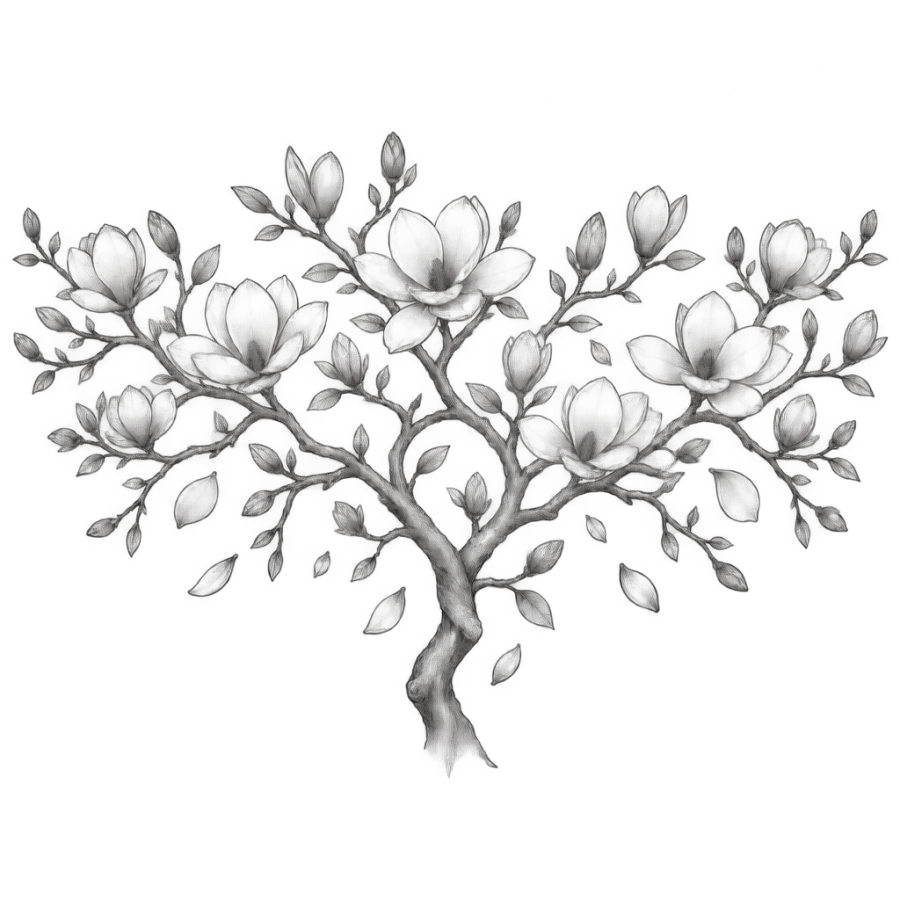
A blooming magnolia tree spreading across the upper back, fine line, no shading
Use this prompt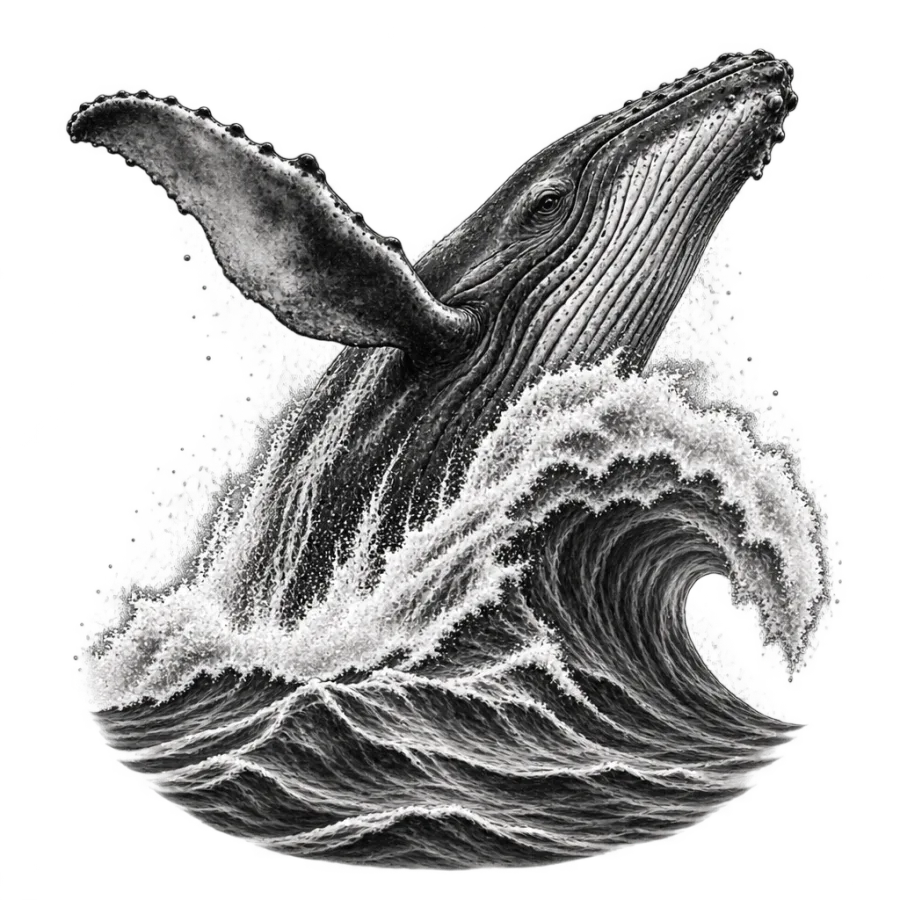
A humpback whale breaching through a curling ocean wave, black and grey
Use this prompt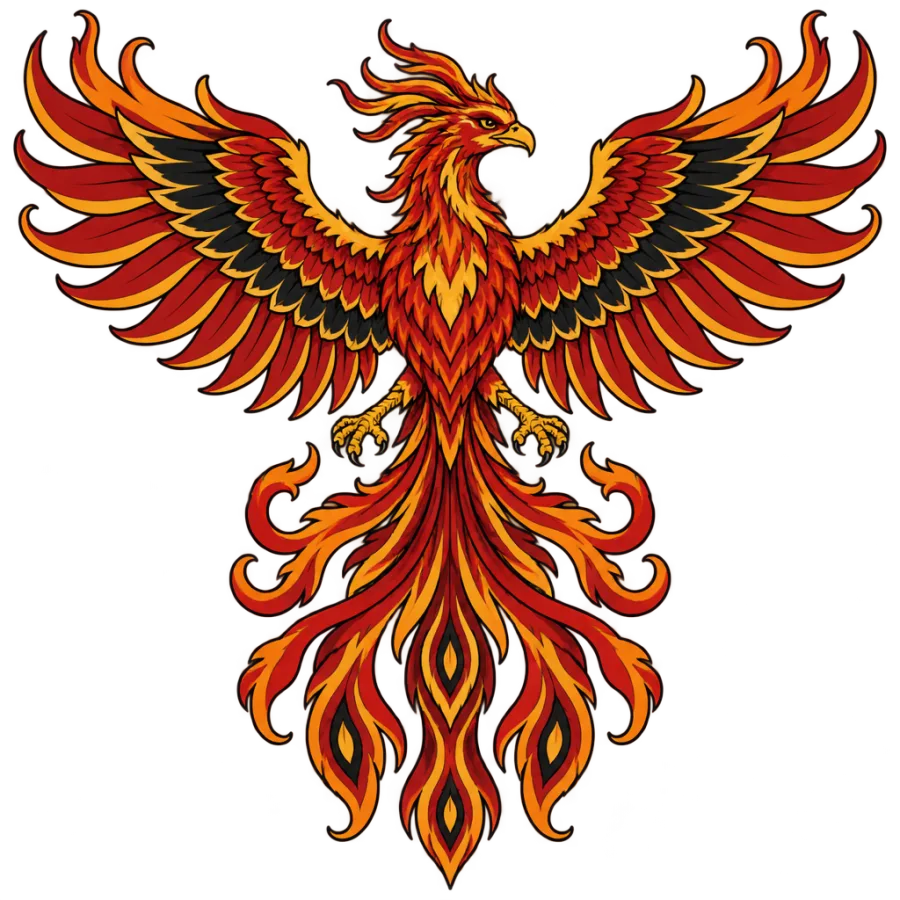
A phoenix rising with long flame tail feathers, bold color, big back piece
Use this prompt
A compass rose inside nested polygons with radiating rays, geometric lines
Use this prompt
A stag whose antlers grow into a pine forest, stippled dots only
Use this prompt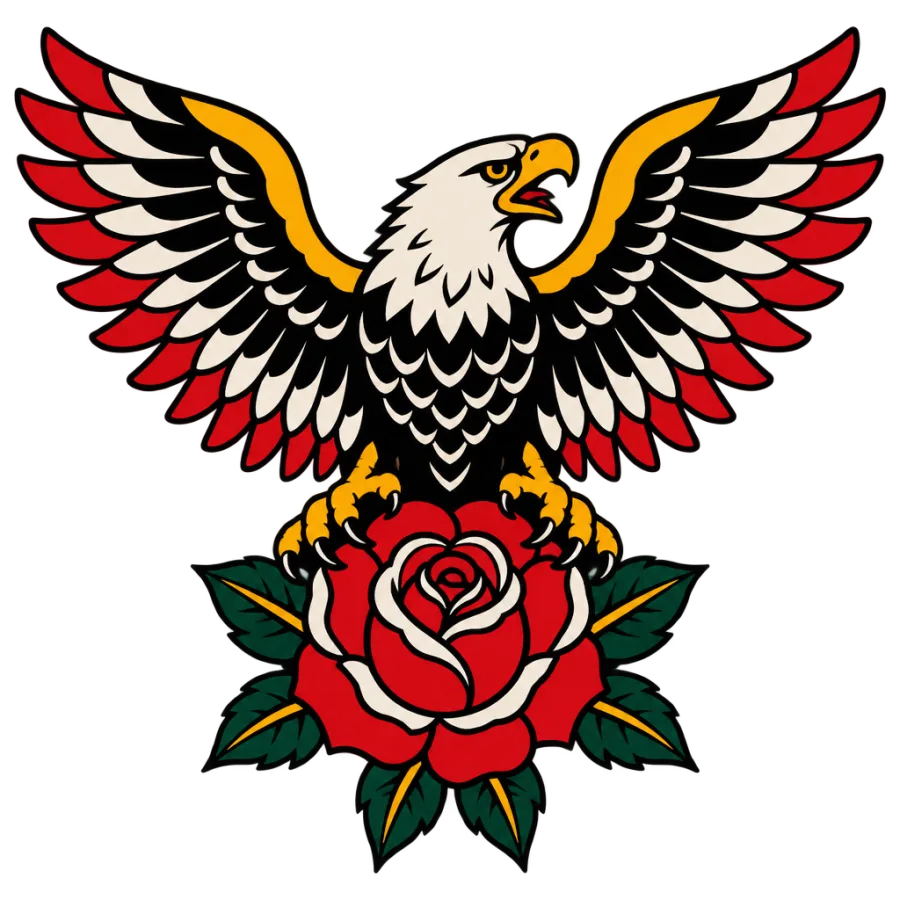
An eagle with wings spread above a full rose, bold traditional flash
Use this prompt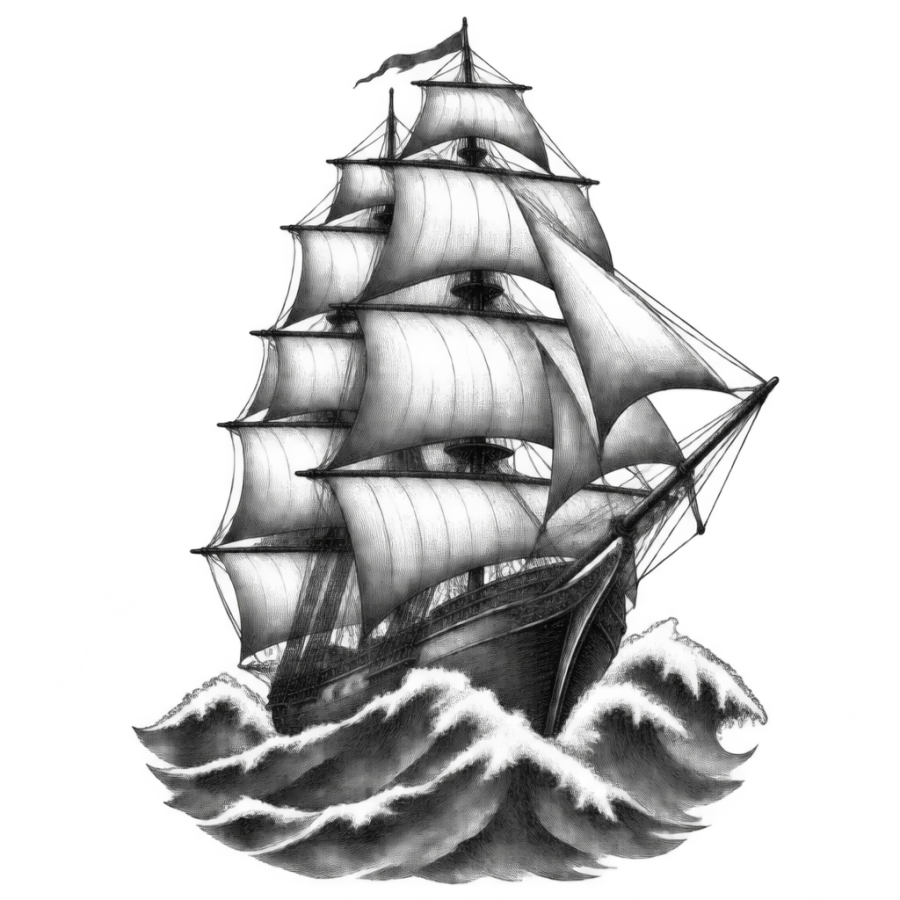
A tall sailing ship riding storm swells, fine engraved hatching
Use this prompt
A tree of life with Celtic knotwork roots inside a circle, solid black
Use this prompt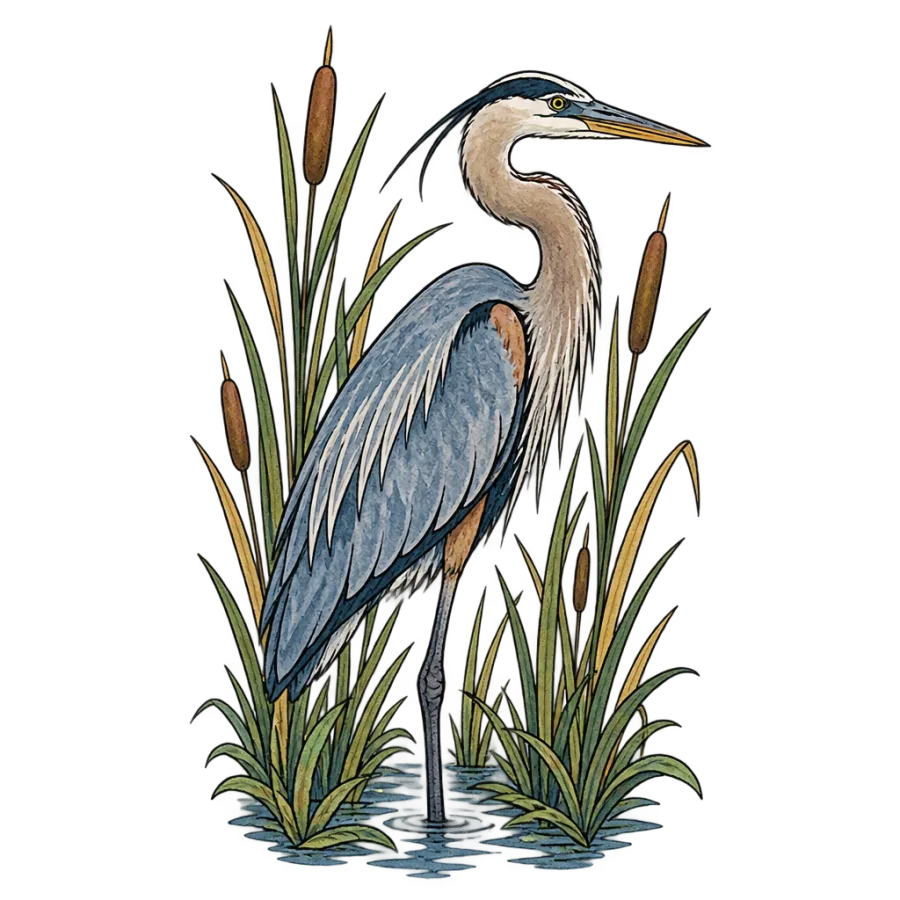
A heron standing among tall reeds, soft watercolor washes
Use this promptDescribe an idea of your own and get four designs back in about 20 seconds.
Open the generator
Questions people ask
How much does a full back tattoo cost?
In the United States most full back pieces land between $1,500 and $6,000, and detailed color work with a sought after artist can go well beyond that. Artists usually charge $150 to $300 an hour or a flat day rate of $800 to $1,500. Expect a deposit up front.
How long does a full back tattoo take?
Typically 20 to 40 hours of tattooing, spread across six to twelve sessions over several months. Outlining is usually done first in one or two long sittings, then shading and color follow. Most artists leave at least three to four weeks between sessions for healing.
Does a back tattoo hurt?
It depends where. The muscled parts of the upper and lower back are mild, around 4 out of 10. The spine, the shoulder blades, the tailbone and the nape of the neck are 6 to 8, because bone sits close to the surface there. Long sittings make everything feel worse.
How do I take care of a back tattoo I cannot reach?
Ask someone to help. You need the whole piece washed gently twice a day and a thin layer of ointment applied, and the middle of your own back is out of reach. A large mirror lets you check it. Wear loose shirts and avoid backpacks for at least two weeks.
Should I start small or commit to a full back piece?
If you already know you want a full back, design it as one piece from the start. Stitching separate tattoos together later rarely looks unified. If you are unsure, a shoulder blade piece or an upper back band is a sensible first step that a good artist can later build outward from.