Black and grey realism tattoo ideas
Realism drops the outline entirely and builds the image from value alone, which makes it the least forgiving style and the one most dependent on the artist.
- Pain level6 / 10, long sittings
- Healing2 to 4 weeks, peels heavy
- Typical size15 to 35 cm (6 to 14 in)
- Studio cost$800 to $2,500
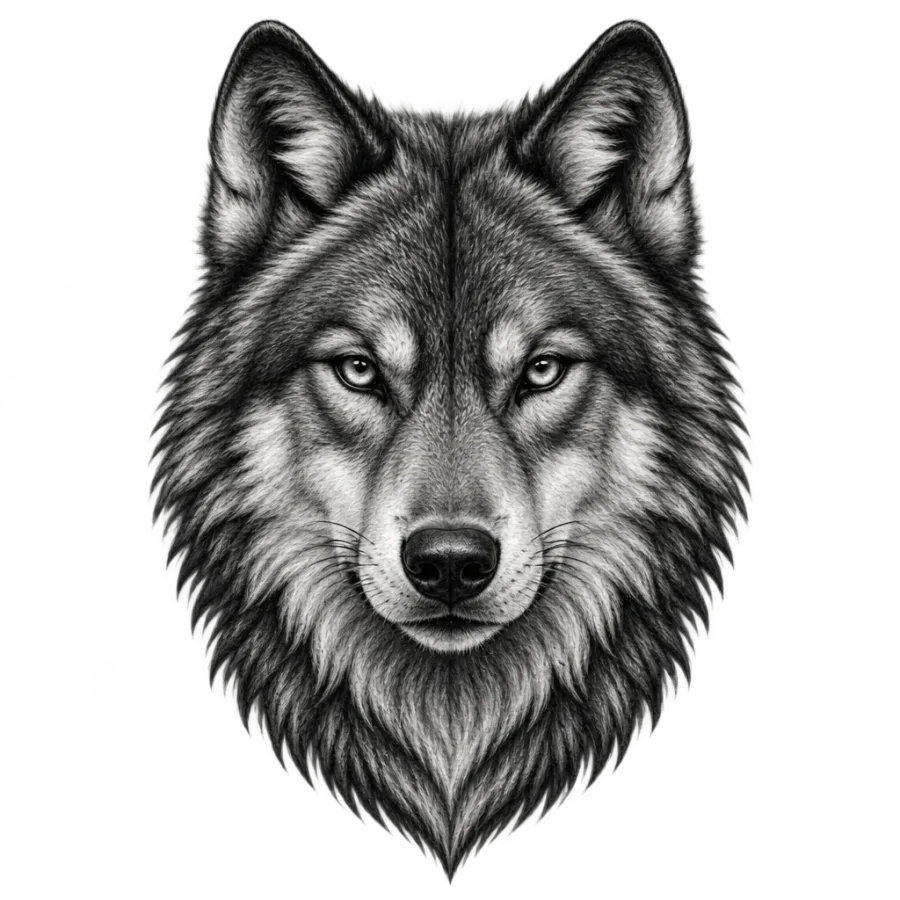
Black and grey realism asks the tattooer to work like a graphite artist. There is no contour holding the shape together, only the relationship between one grey and the next. If the value structure is wrong the image simply looks muddy, and no amount of detail added afterwards rescues it.
The style covers portraits, animals, statues, hands, religious imagery and photographic scenes. Its strength is emotional impact at close range. Its weakness is that skin keeps working on the tattoo for decades, and realism has the least margin of any style for the softening that follows.
How realism is shaded
Artists mix black into four to six wash strengths, from near black down to a pale grey that barely registers, and build the image lightest to darkest or darkest to lightest depending on their training. Magnums do almost all the work: a 13M1 or 15M1 for broad tone, a 9M1 for transitions, and a 5RL or 7RL for the smallest textures like an eyelash or a hair edge.
The motion matters as much as the needle. Soft transitions come from pendulum or circular shading with a very light touch, keeping the needle barely in the skin, while dark anchors are packed more firmly. White ink is used sparingly for a few highlights, because heavy white tends to yellow and flatten within a couple of years.
What separates good realism from bad
- Strong overall value structure visible when you squint at it
- Only three or four true blacks used as anchors
- Smooth transitions with no visible banding between washes
- Restrained white highlights rather than white spread everywhere
- Healed photos at three years or more in the artist’s portfolio
Choosing a reference that will work
The photograph decides most of the result. High resolution, one clear light source, strong shadow shapes and a face that is not squinting into flat daylight all make the tattoo easier and better. A dim phone snapshot enlarged to 20 cm gives the artist no information to work from, and the tattoo inherits every flaw in it.
Portraits need size. A face below about 13 cm tall loses the small value shifts that make it recognizable as a specific person rather than a generic one. Most realism artists will ask for 15 to 20 cm for a single portrait, and they are protecting the likeness rather than the invoice.
How realism ages over 10 to 15 years
This is the honest weak point. Grey wash lightens over time and the mid tones drift toward each other, so contrast flattens. A portrait that had eight distinguishable values at healing may read with four at fifteen years. Fine texture like hair strands and skin pores softens first, and the image gets quieter rather than disappearing.
Designs that survive best are built on a few strong dark anchors and clear shapes, not on subtle grey everywhere. Sun exposure roughly doubles the rate of flattening, so a piece on the outer forearm needs daily sunscreen. Many collectors book a contrast refresh session at eight to ten years, which restores a lot.
Placement, sessions and cost
Inner forearm, outer bicep, thigh and chest suit realism best, since they offer flat area and reasonably stable skin. Hands, fingers, feet and the side of the neck are poor choices because heavy turnover and movement blur soft gradients quickly. Elbows and knees also chew through delicate shading. If you want realism on the forearm, plan for sunscreen to become a daily habit.
Expect four to seven hours for a single 18 cm portrait, often split across two sittings so the skin can recover. At $150 to $300 an hour, a portrait commonly lands between $800 and $2,000, while a full realism sleeve runs 40 to 60 hours and $6,000 to $15,000. Specialists with waiting lists charge substantially more.
12 black and grey realism tattoo designs, with the prompt behind each one
Every design below came out of AI Tattoo Lab. Tap one to load its prompt into the generator, then change a word and make it yours.
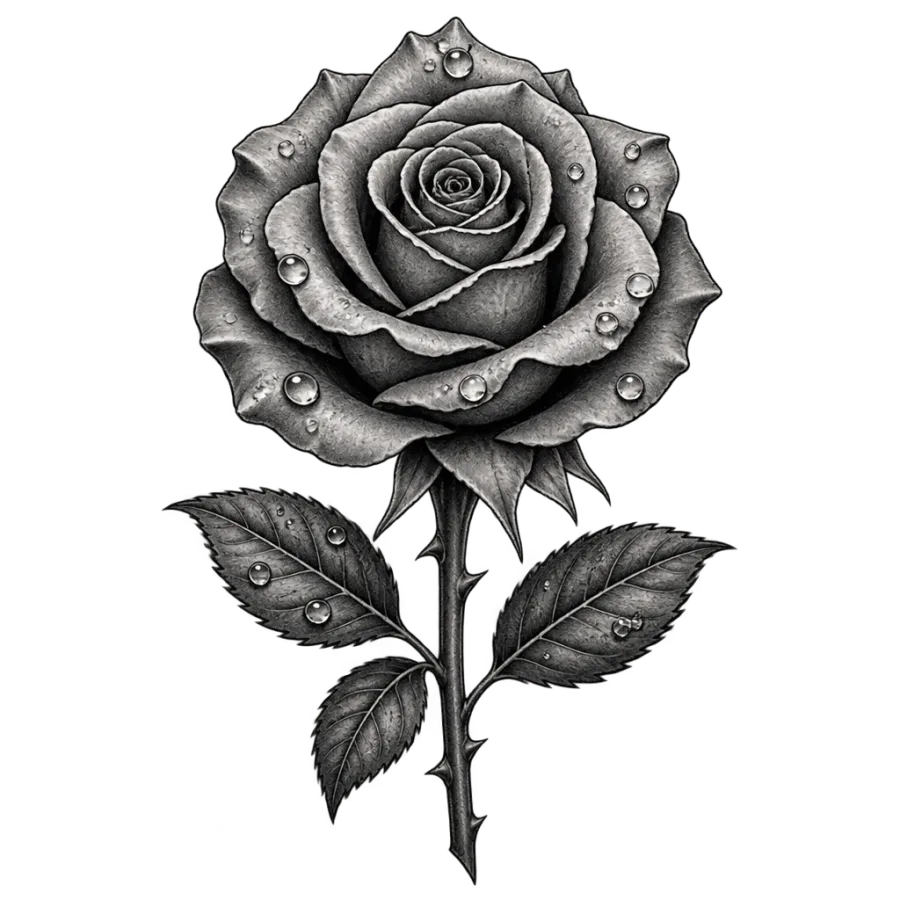
A rose in full bloom with dewdrops on the petals, black and grey realism
Use this prompt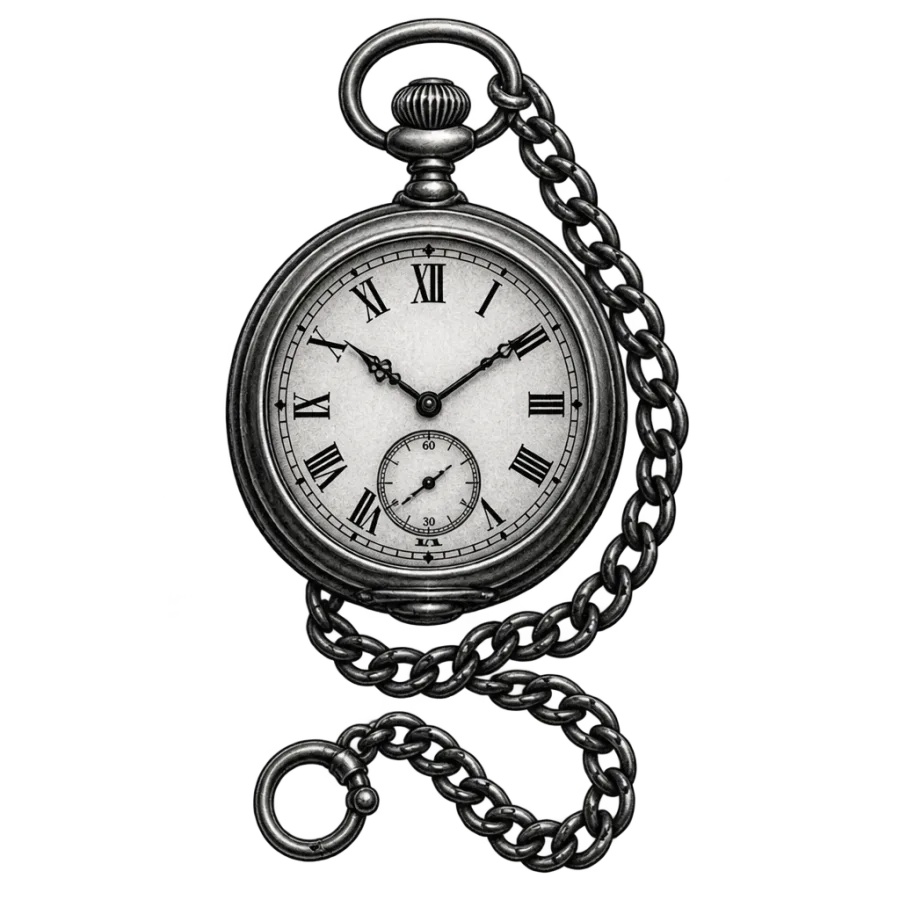
An antique pocket watch with roman numerals and a draped chain, black and grey realism
Use this prompt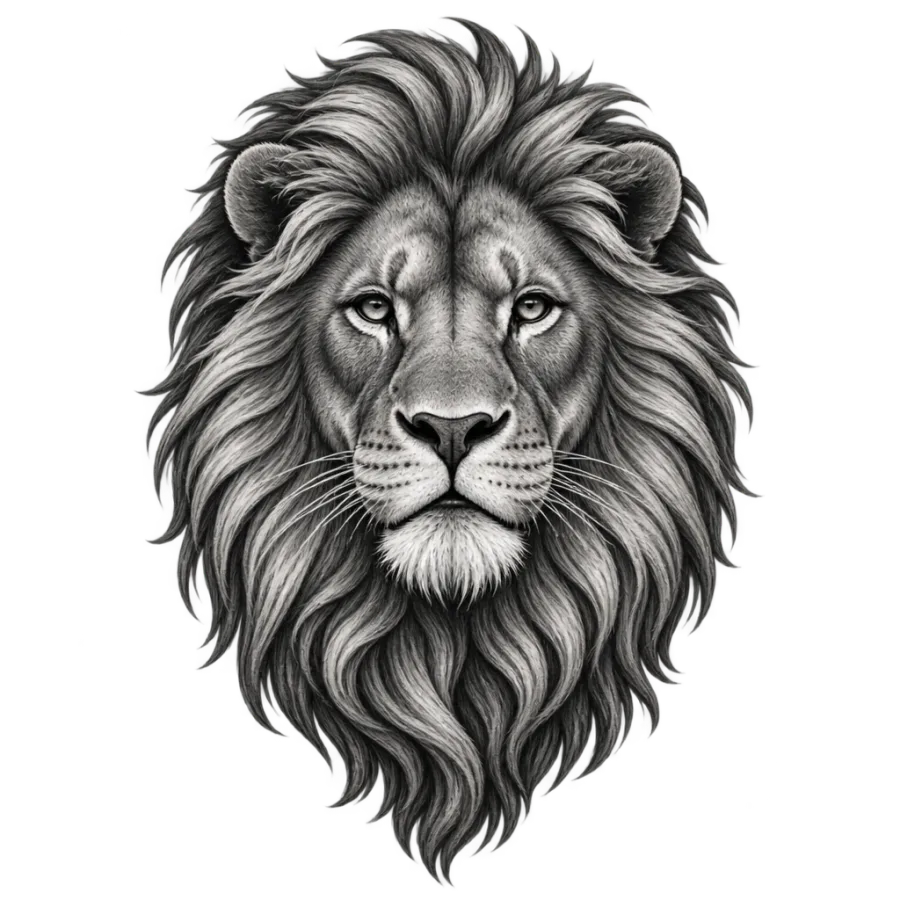
A lion head with a flowing mane, black and grey realism, smooth shading
Use this prompt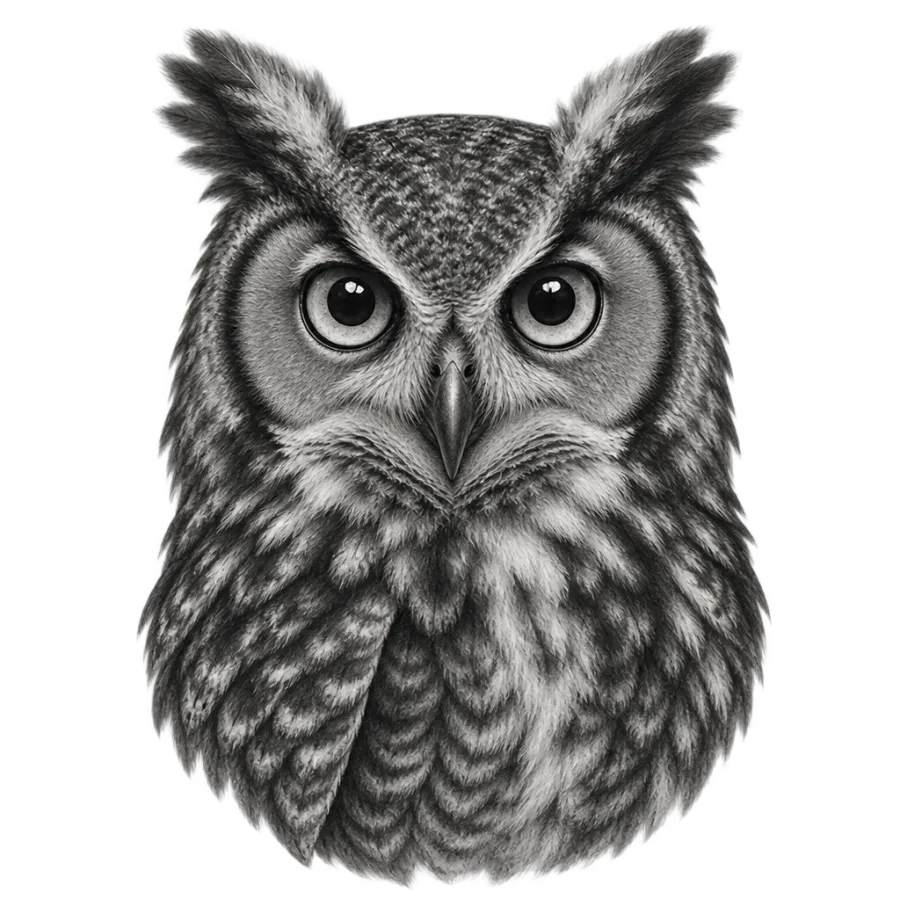
An owl portrait with detailed feathers and wide eyes, black and grey realism
Use this prompt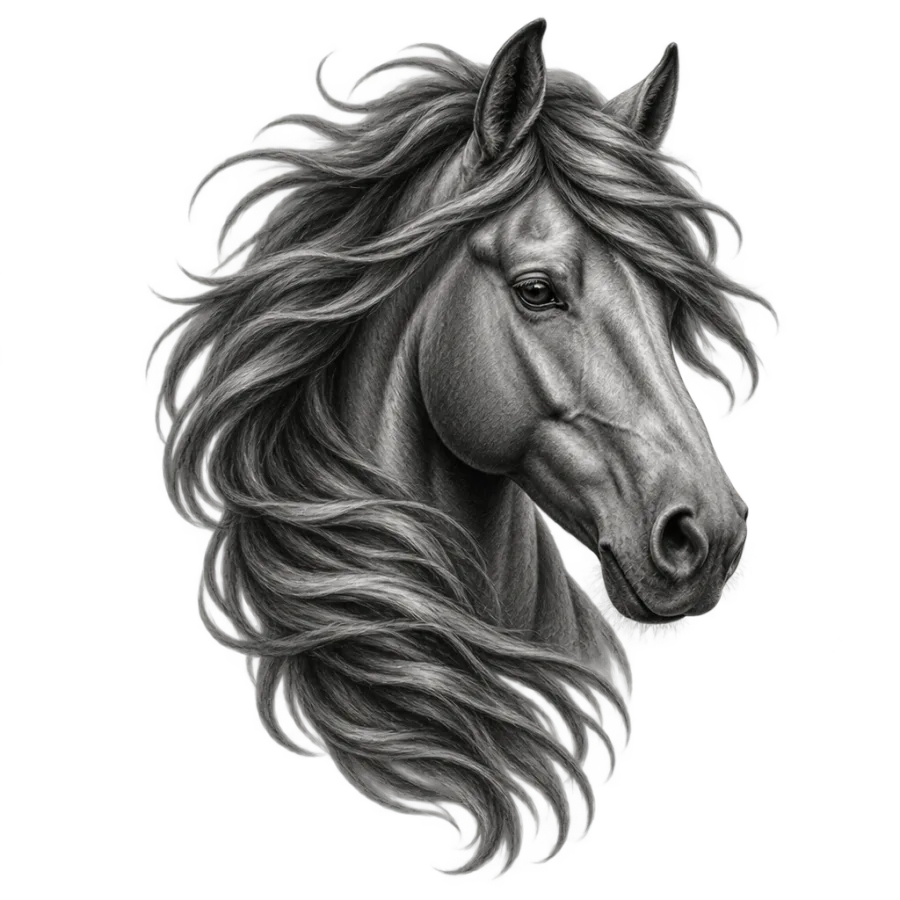
A horse head with a mane flowing in motion, black and grey realism
Use this prompt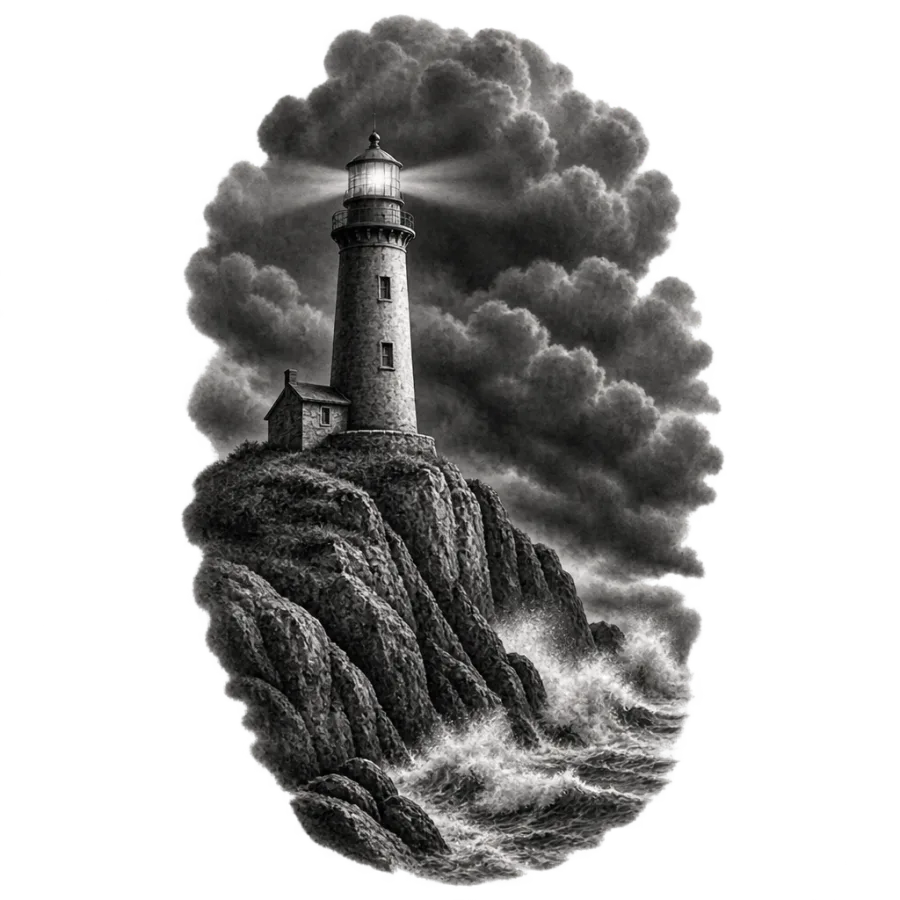
A lighthouse on a rocky cliff under storm clouds, realistic grey shading
Use this prompt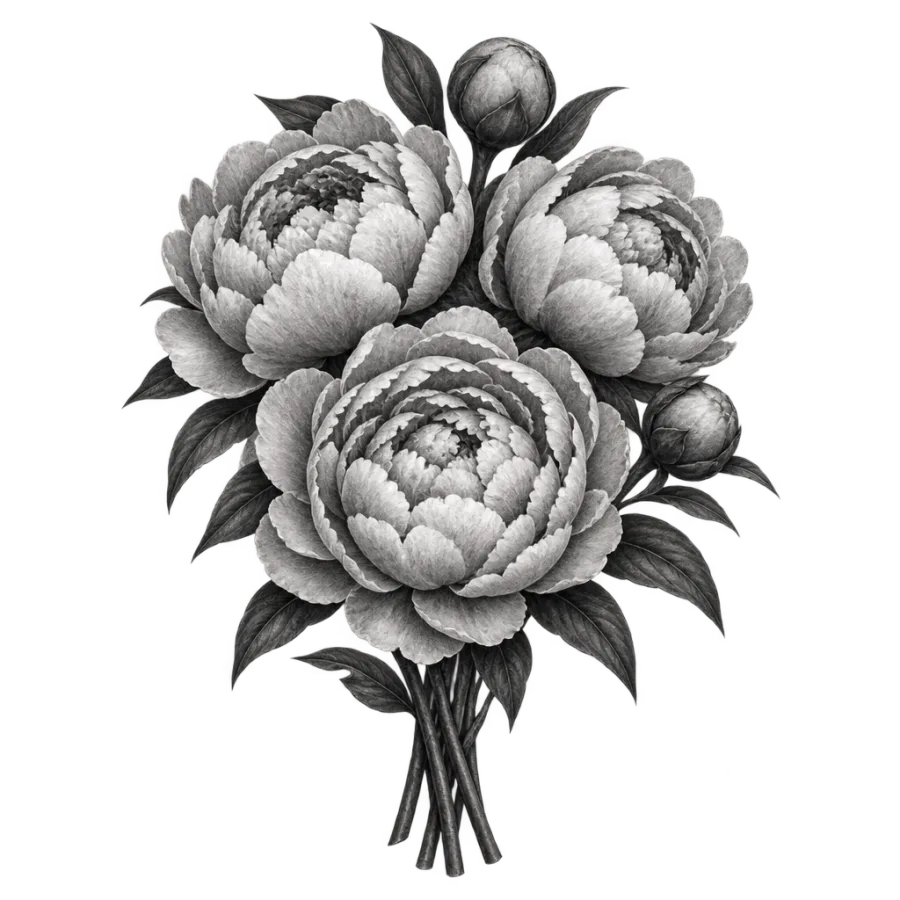
A bouquet of peonies with soft layered petals, black and grey realism
Use this prompt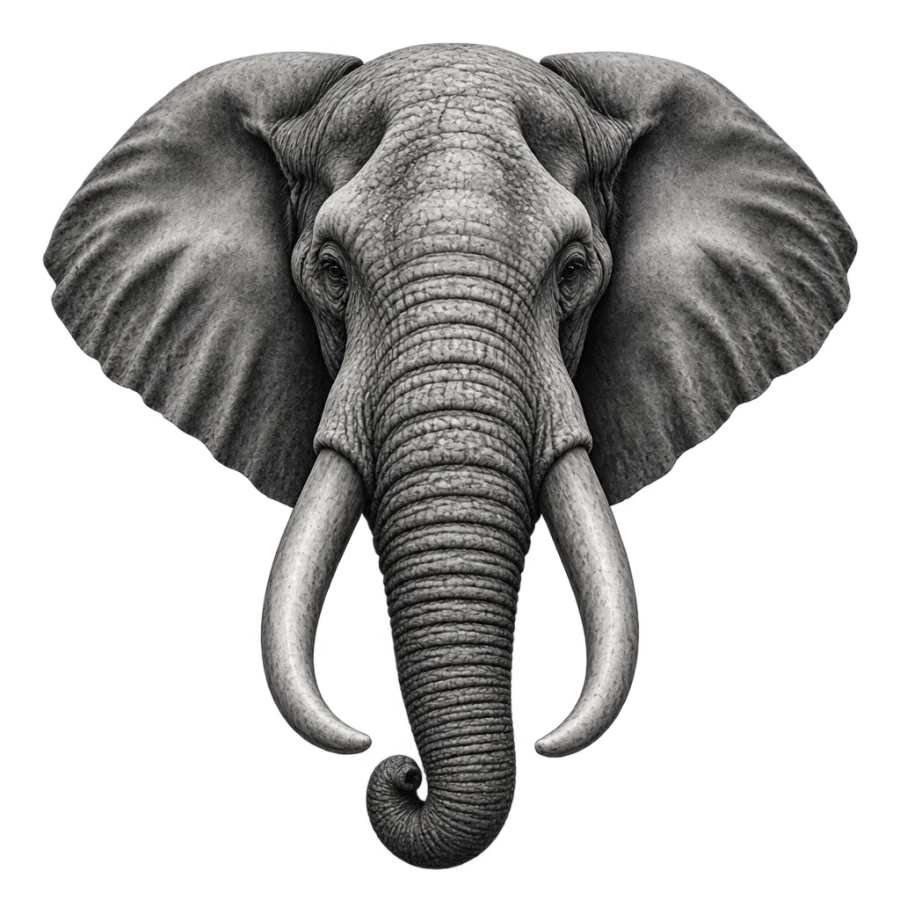
An elephant head with textured hide and curved tusks, realistic grey shading
Use this prompt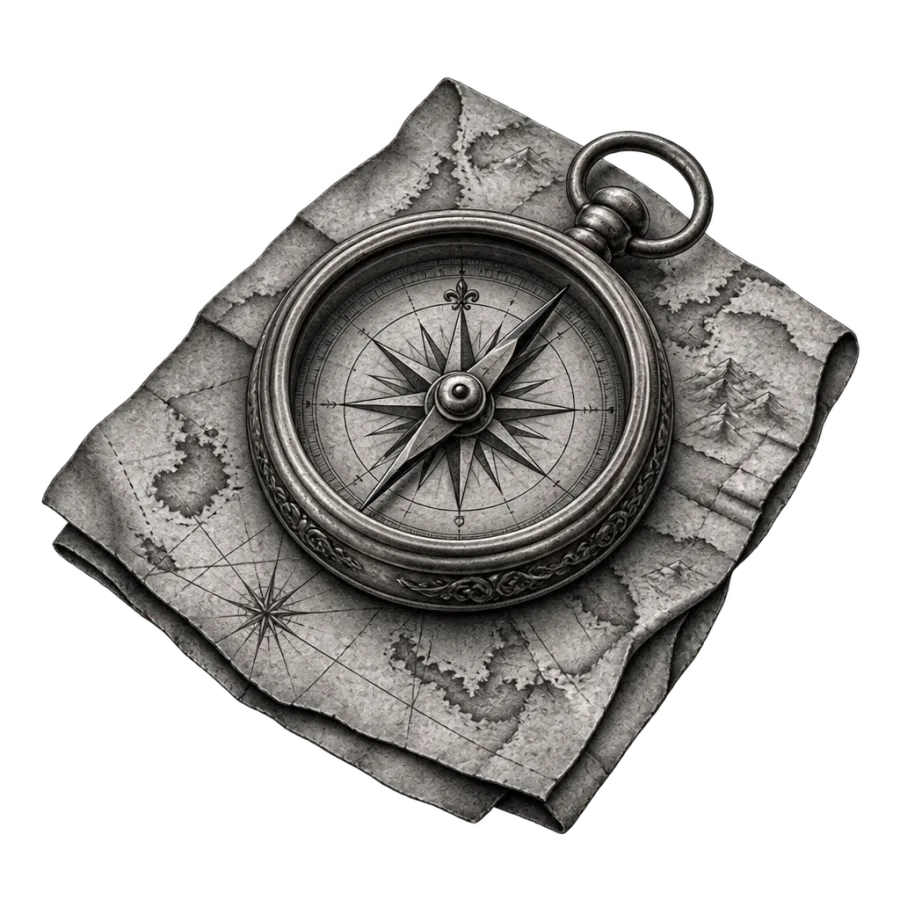
An ornate compass resting on a folded old map, black and grey realism
Use this prompt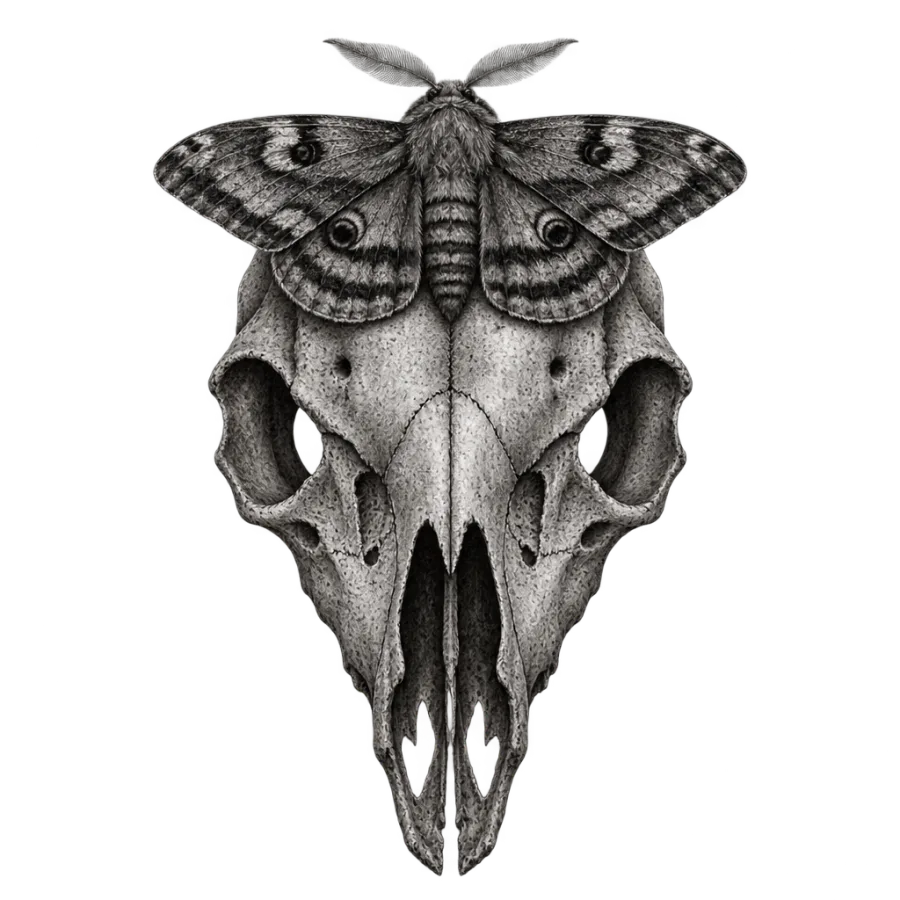
A weathered animal skull with a moth resting on it, realistic grey shading
Use this prompt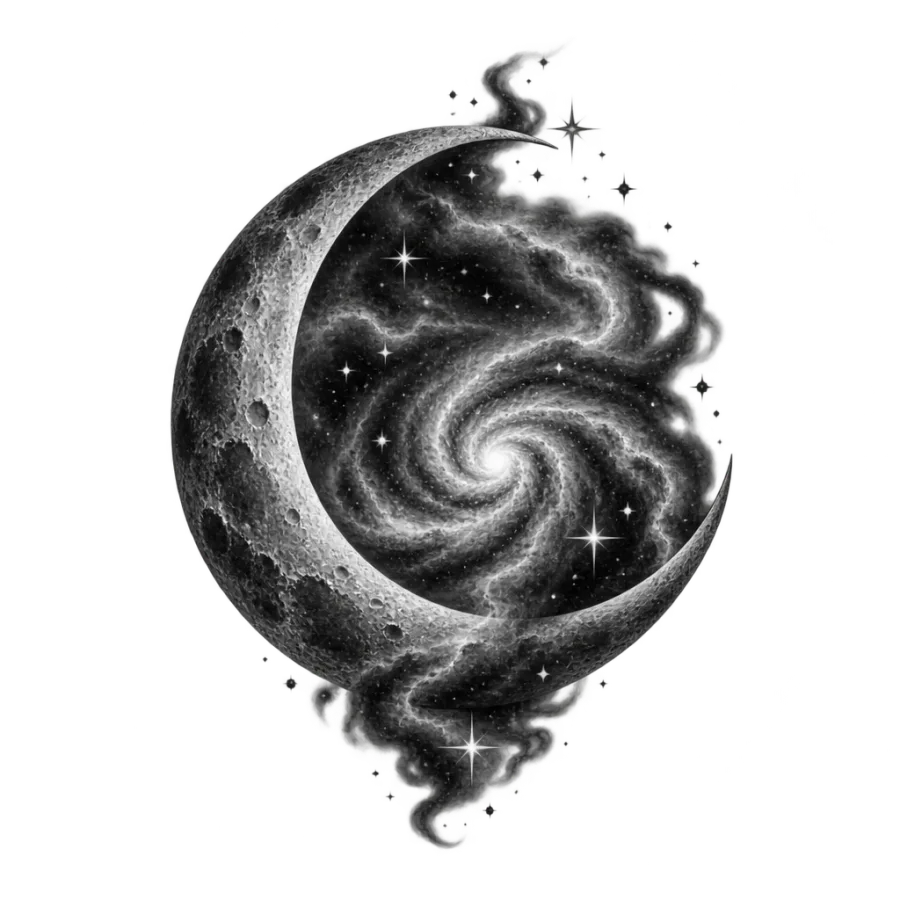
A crescent moon holding a swirling nebula with stars, black and grey realism
Use this promptDescribe an idea of your own and get four designs back in about 20 seconds.
Open the generator
Questions people ask
How long does black and grey realism last before it looks faded?
Expect visible softening by year eight to twelve. Grey wash lightens and mid tones merge, so contrast flattens even though the image stays recognizable. Sun exposure roughly doubles that rate. A contrast refresh session around year ten restores much of the depth and is normal maintenance, not a repair.
What is the minimum size for a realistic portrait tattoo?
Around 13 cm from chin to hairline, and 15 to 20 cm is safer. Below that, the small value shifts that create a likeness get lost, and the face reads as generic. Artists who insist on a larger size for a portrait are protecting the resemblance rather than inflating the price.
Why do realism tattoos have no outlines?
Because photographs have no outlines. Realism builds form purely from value, so an added contour would read as a cartoon edge and break the illusion. It also means a weak value structure cannot be hidden, which is why this style depends more on artist skill than any other.
Is white ink used in black and grey tattoos?
Sparingly, for a few key highlights such as an eye catchlight or a wet edge. Heavy white tends to yellow, spread and flatten within a couple of years, so experienced artists leave bare skin as the brightest value instead and use white only where nothing else will work.
Can an AI generated portrait be tattooed exactly as it is?
Not usually. Generated images often carry impossible lighting and detail that is too fine to hold in skin. Use the design to settle composition and mood, then bring it to a licensed realism artist who will rebuild the value structure, simplify the detail and size it correctly for your body.