Memorial tattoo ideas, meaning and designs
A memorial tattoo works when it points to one specific person rather than to grief in general, so the small true details matter more than the symbol.
- Common symbolsDove, dates, handwriting
- Typical size5 to 20 cm
- Usual placementsInner forearm, ribs, chest
- Studio cost$150 to $600
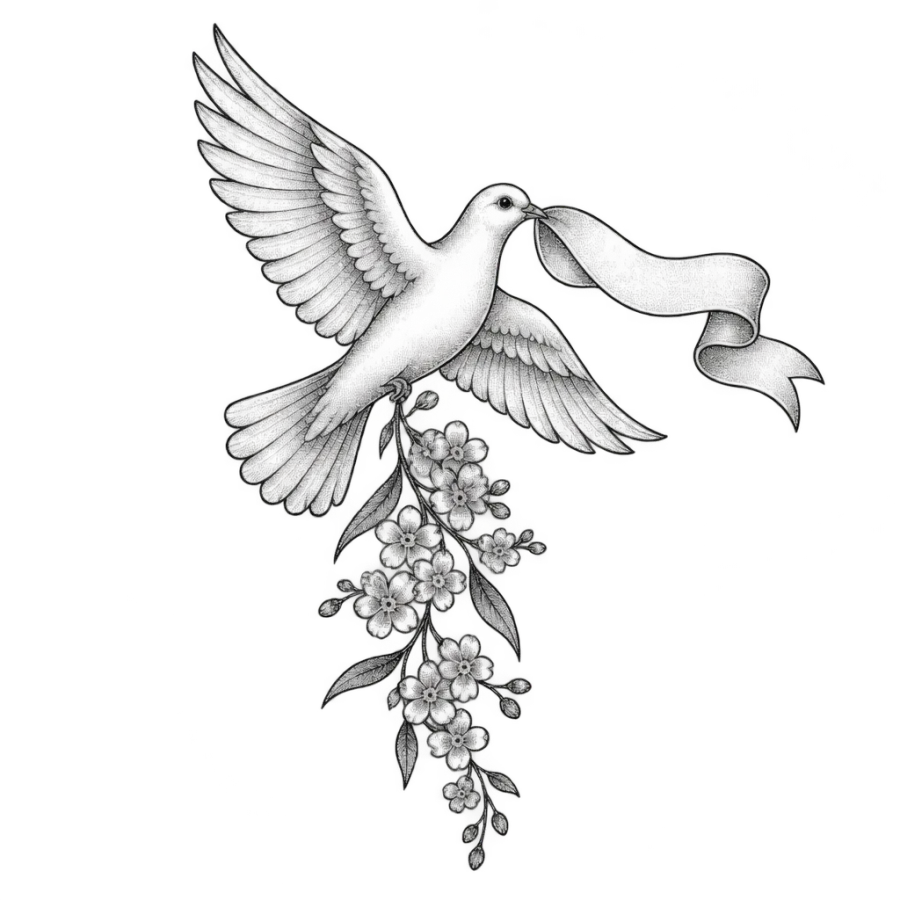
Most memorial tattoos start from a symbol everyone recognizes: a dove, a pair of dates, a pocket watch stopped at an hour. Those read clearly, but they read the same on anyone. The pieces people still love twenty years on usually carry one detail only the family would catch, sitting quietly inside an otherwise simple design.
There is no deadline on this. Plenty of artists will say the same thing, that people who wait six months to a year arrive with a clearer idea and leave with something they never want covered. Grief changes what feels right. If you are unsure, sketch it, live with it on paper, and book when the idea stops moving.
The symbols people actually choose
Birds carry most of the weight here. The dove comes from Christian funerary art and reads as peace; the swallow comes from sailors’ flash, where it meant a safe return home, which is why flocks of small swallows show up in memorial half sleeves. Butterflies and moths stand in for a short life or a changed one. Candles, lighthouses and pocket watches all borrow from Victorian mourning imagery, where a stopped clock marked the hour of a death.
Symbols and what they carry
- Dove or swallow: peace, and in sailor flash, a safe return
- Pocket watch with hands set: the hour someone was born or died
- Empty chair, boots, or a fishing float: the thing they always did
- Birth flower: quieter than a portrait and ages far better
- Compass rose: for someone who kept you pointed somewhere
How to make it about one person
The strongest memorial tattoos are specific to the point of being private. Trace real handwriting from a letter, a recipe card or the back of a photograph, and ask the artist to keep the wobble rather than clean it into a font. A date in roman numerals reads as design instead of data. Coordinates of a house, a lake or a hospital work the same way.
Other routes: the exact ear shape of a dog you lost, the waveform of a voicemail you kept, a line of a song in their spelling, a car in silhouette, the pattern of a shirt they wore. One of these is enough. Stacking five personal details into one piece usually produces a crowded tattoo that only makes sense with a five minute explanation.
Placements people pick and why
Inner forearm is the most common choice because you can look at it yourself without a mirror, which is the point for many people. Ribs, inner bicep and the chest over the heart are chosen for privacy: they stay covered all day and you decide who sees them. The wrist is popular for small dates but skin there stretches and a fine date can blur, so ask for a slightly heavier line.
Some people put a parent's piece on the same spot the parent had one, or match the placement to the person's own tattoo. If several family members are getting matching work, the same design on different placements still reads as a set, and each body gets a size that suits it.
Ageing well, and what to bring to the consultation
The designs that date fastest are the trend driven ones: a script font that was everywhere one year, a photo realistic portrait done small, a watercolor splash behind a name. Portraits under about 12 cm lose the likeness within a decade because tiny tonal shifts blur together. If you want a portrait, go bigger or go with a suggestion of the person instead: their profile, their hands, their handwriting.
Take these to the appointment
- The original handwriting sample, photographed flat in daylight
- Any reference photo at the highest resolution you have
- Dates and spellings written out and checked twice by someone else
- A note of anything you want left out, including their name
- Your AI Tattoo Lab designs, printed, as a starting point for the artist
12 memorial tattoo designs, with the prompt behind each one
Every design below came out of AI Tattoo Lab. Tap one to load its prompt into the generator, then change a word and make it yours.
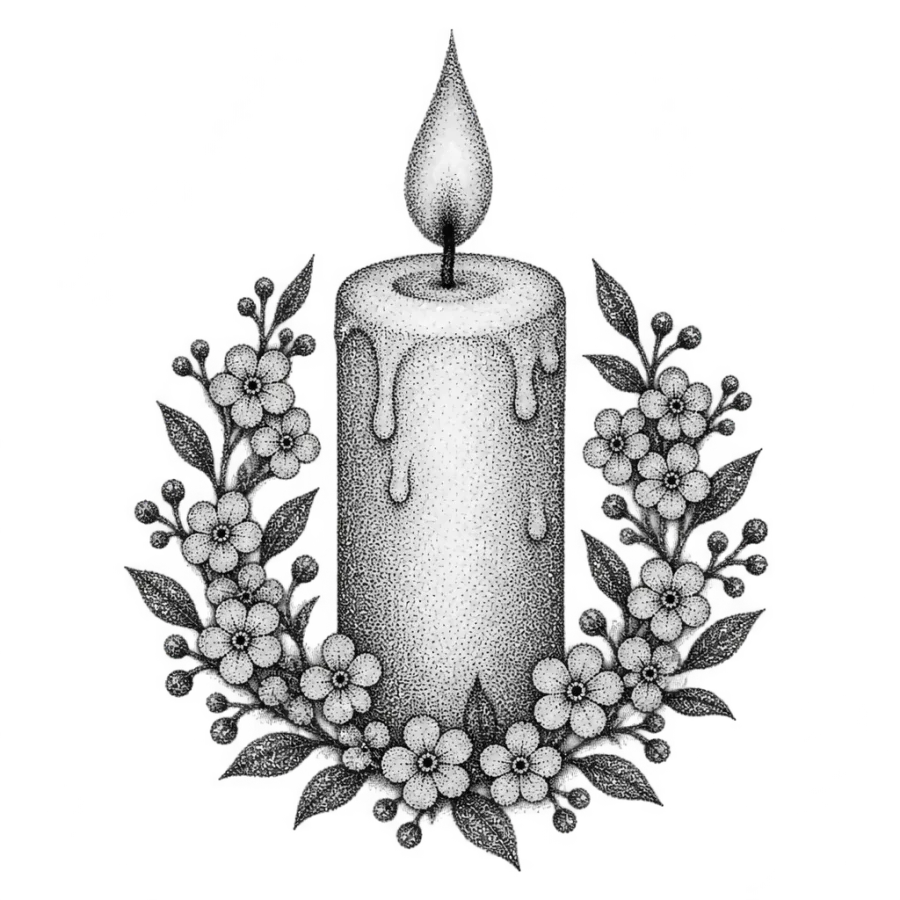
A lit candle encircled by a wreath of forget me not flowers, dotwork stippling
Use this prompt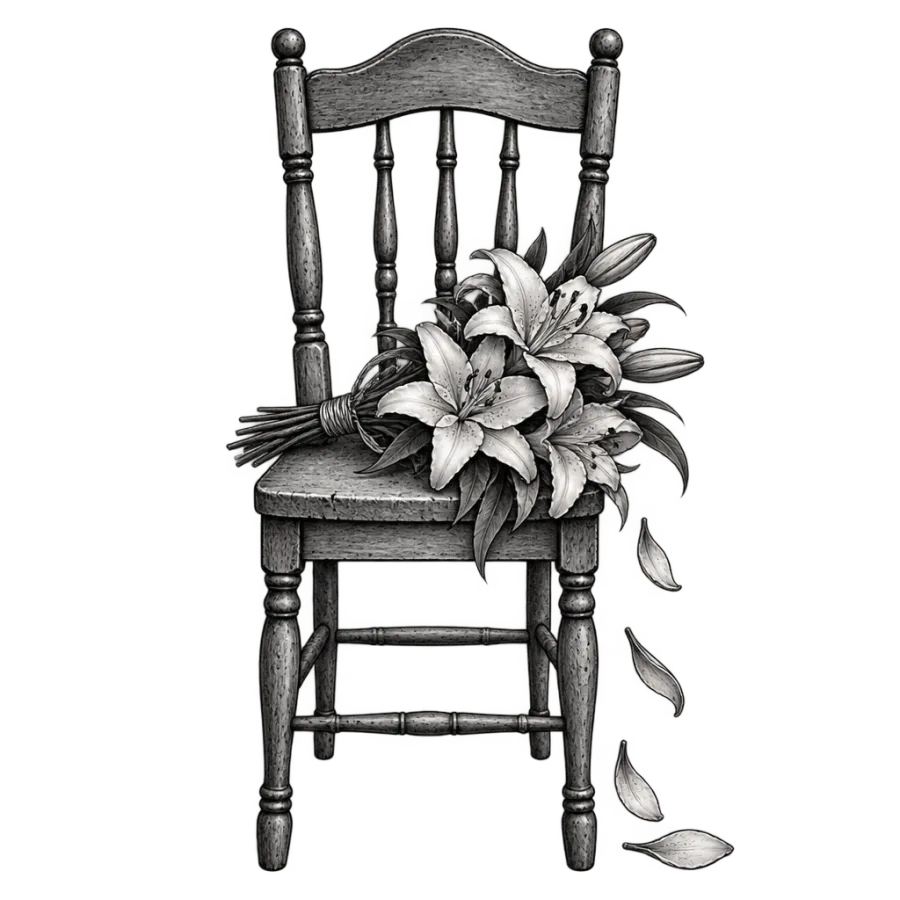
An empty wooden chair with a bouquet of lilies on the seat, black and grey realism
Use this prompt
An open pocket watch with a blank oval frame, roses and ornamental filigree
Use this prompt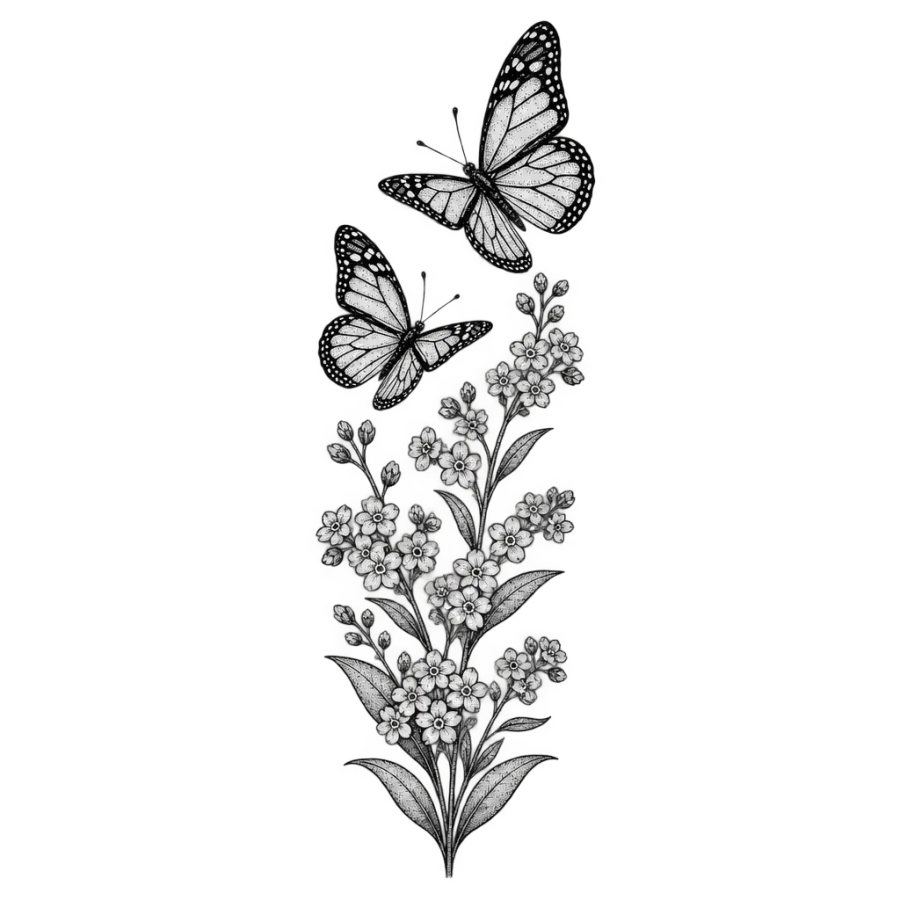
Two monarch butterflies rising above forget me nots, fine line with dotwork
Use this prompt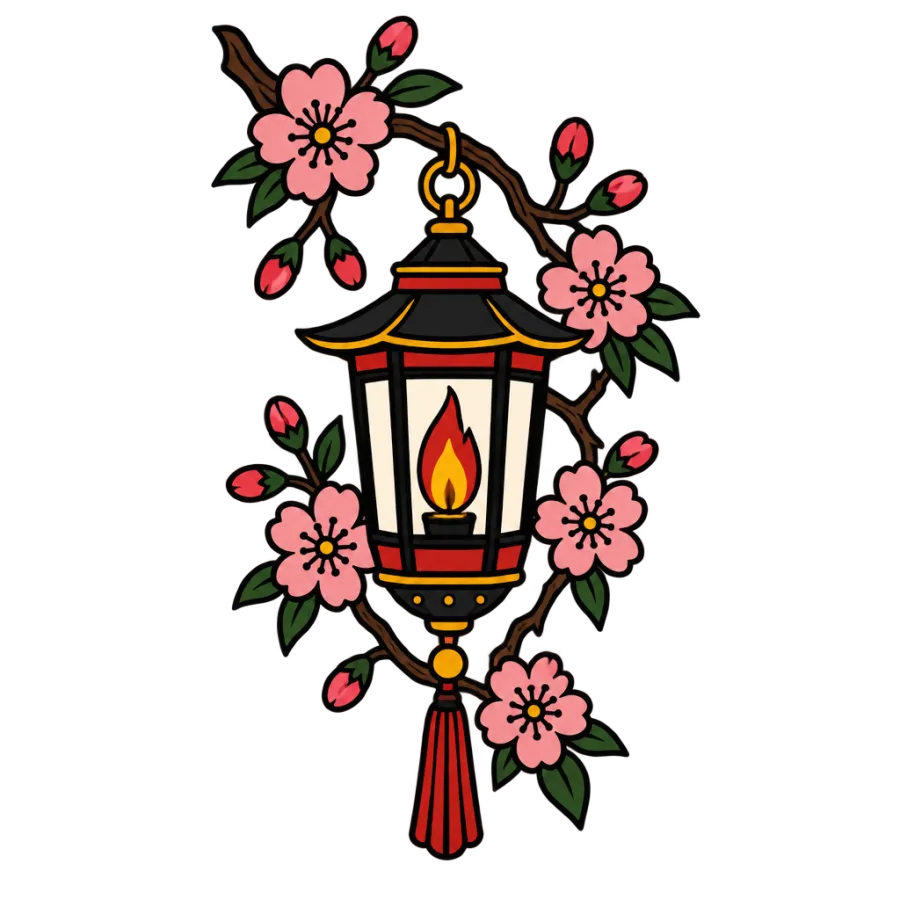
A hanging lantern with a steady flame among cherry blossom branches, traditional
Use this prompt
A crescent moon cradling a sleeping songbird with small stars, heavy blackwork
Use this prompt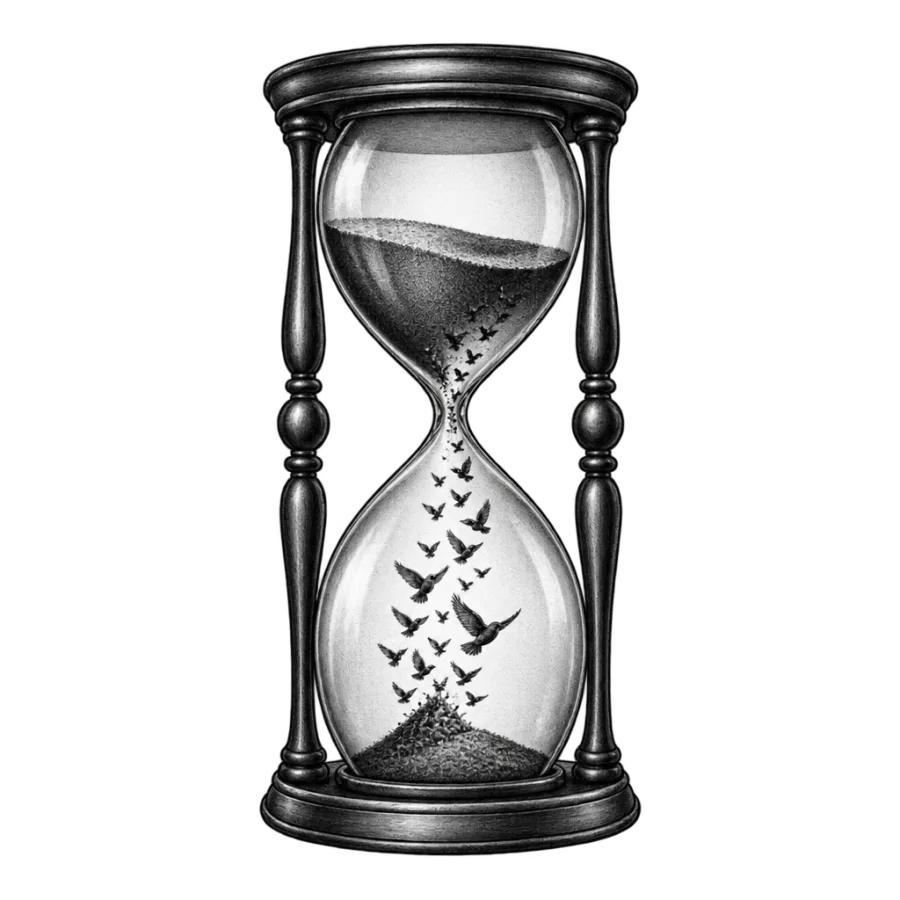
An hourglass whose falling sand turns into tiny birds, black and grey
Use this prompt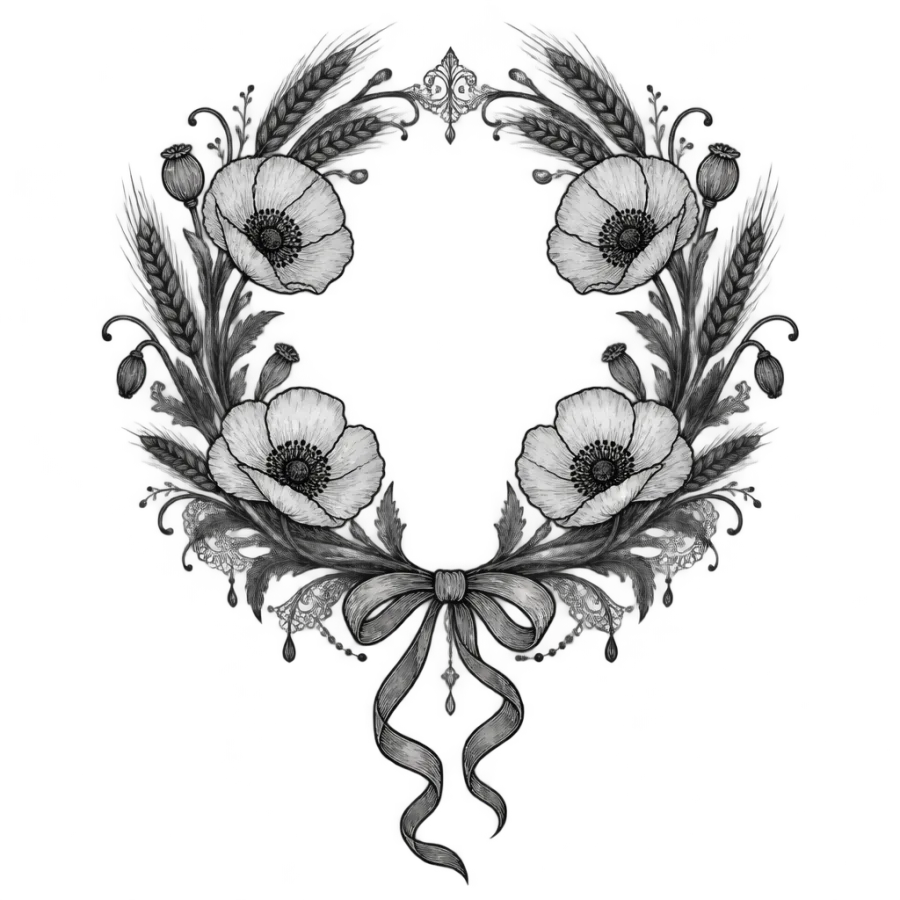
A wreath of white poppies and wheat tied with a trailing ribbon
Use this prompt
A compass rose medallion ringed with rosemary sprigs, precise geometric linework
Use this prompt
A weeping willow reflected in still water with reeds, Japanese style
Use this prompt
A paper boat carrying a small candle flame on calm water, one line
Use this promptDescribe an idea of your own and get four designs back in about 20 seconds.
Open the generator
Questions people ask
How long should I wait before getting a memorial tattoo?
There is no rule, but many people wait six months to a year. Ideas chosen in the first weeks often change once grief settles. If you want something sooner, pick the smallest, simplest version of the idea. You can always add to a simple piece later, and an artist can build around it.
Is it a bad idea to tattoo someone's name?
Names are fine for family and for people who have died, and regret is far lower here than with partner names. Keep the lettering plain rather than trend led, check the spelling with a second person, and ask for a font that will still be legible after the lines soften.
Can I use my relative's actual handwriting?
Yes, and it is the single best personalization available. Photograph the writing flat, in daylight, with no angle. A good artist traces it rather than redrawing it, keeping the shake and the uneven pressure. Avoid handwriting smaller than about 4 cm wide, because thin ink lines spread over time.
What does a memorial tattoo usually cost?
Small handwriting or a date runs about $150 to $250 at most studios. A palm sized illustrative piece is typically $300 to $600, and a detailed black and grey portrait can run $800 upward because of the hours involved. Shop minimums of $100 to $150 are common in cities.
Should everyone in the family get the same design?
Matching pieces work well, but agree on the design before anyone books. Choose one drawing and let each person pick their own size and placement, or give each person one element from a shared image. Nobody should feel pushed into it, and opting out should be easy.