Wrist tattoo ideas and placement
A wrist tattoo is small, quick and always on show, but thin skin over bone and tendon makes placement and line weight matter more than usual.
- Pain level5 to 6 / 10, thin skin
- Session time20 to 60 minutes
- Typical size3 to 8 cm (1 to 3 in)
- Studio cost$80 to $250
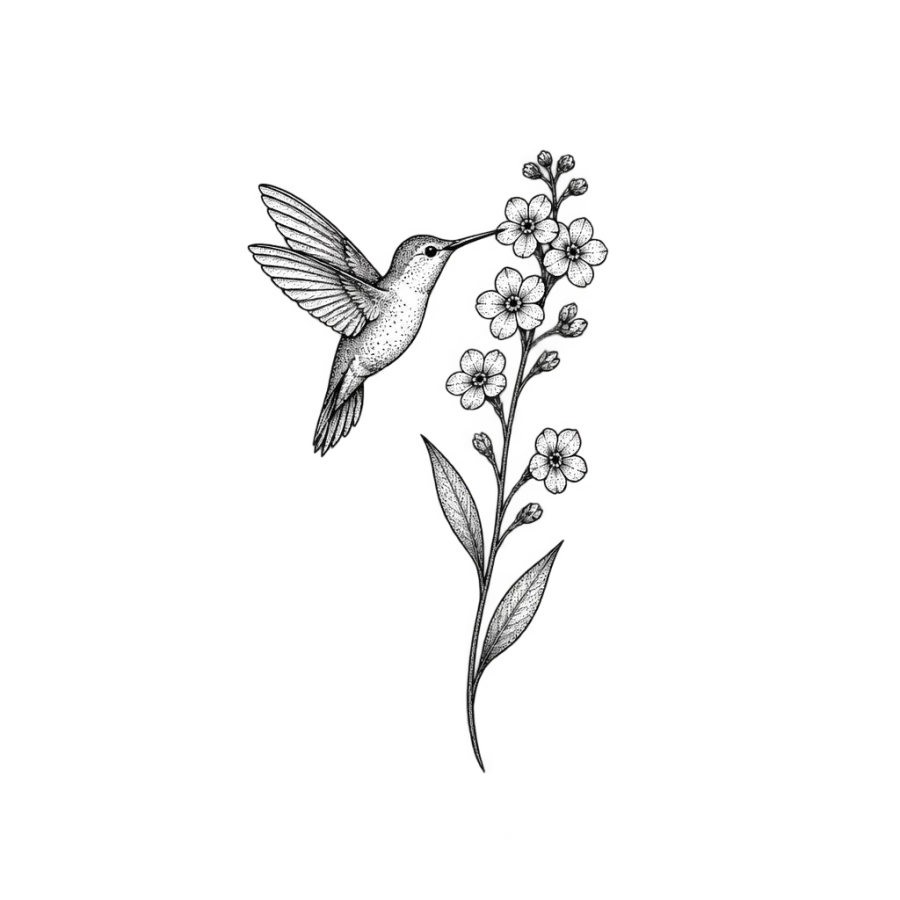
The wrist is a small, high visibility spot with a lot going on under the skin. Tendons, veins and nerves sit close to the surface, and the bone on the outside is right there. That makes it a fast tattoo but a technically fussy one, and not the easiest first choice despite how often it is picked.
It is the classic place for a word, a date or a simple line drawing. The area rewards restraint: small, open designs with space between the elements hold up, and crowded ones do not. Take your design to a licensed artist who can judge how your skin will hold the lines.
How much a wrist tattoo hurts
Most people put the wrist at 5 to 6 out of 10. The skin is thin, there is almost no fat between skin and bone, and the underside sits over a bundle of tendons and nerves. It is a sharp, bright pain rather than a grinding one, and it is over fast: small wrist pieces often take 20 to 45 minutes.
The inner wrist right at the crease is the tenderest part, because the skin is thinnest there and it flexes all day. The outer wrist over the ulna head, the knob of bone on the little finger side, vibrates against the needle. The two sides between those points are the most forgiving.
Wrist zones from easiest to hardest
- Side of the wrist below the thumb: 4 out of 10
- Top of the wrist toward the forearm: 5 out of 10
- Inner wrist crease over the tendons: 6 out of 10
- Outer wrist over the ulna bone knob: 6 to 7 out of 10
Sizing and shape: a band, not a canvas
The wrist is a narrow curved band, roughly 15 to 18 cm (6 to 7 in) around and only 4 to 6 cm (1.5 to 2.5 in) of workable surface on any one face. Treat it as a bracelet. A band that wraps, a short horizontal word, or a compact 3 to 5 cm (1 to 2 in) motif all sit well.
Detail is the thing to cut. Anything with more than a few small elements will close up as the lines spread over the years. Skip heavy shading and tight crosshatching. If you want real detail, the forearm two inches up gives three times the room with half the trouble. A wrist band and a small forearm piece are also a good pairing if you want both.
Healing, blowouts and touch ups
Surface healing takes 2 to 3 weeks, but the wrist is one of the harder spots to keep calm. You wash your hands all day, your sleeve cuff drags over it, and a watch or bracelet sits right on top. Leave the watch off for at least three weeks and push sleeves up rather than dragging them across.
Long term, wrist tattoos fade faster than most. Thin skin, constant flexing and daily sun add up. Blowouts, where ink spreads into a grey haze under a line, are also more common here because the dermis is shallow. Expect to want a touch up at 4 to 7 years, and use sunscreen once healed.
Styles that suit the wrist, and visibility at work
Simple, open designs hold up best. Fine line script, a small minimalist symbol, a thin ornamental band or a few dotwork elements with air between them all age well. Dense blackwork and photo realism are poor fits, because solid black on thin mobile skin patches unevenly and small realistic detail turns muddy.
A wrist tattoo is visible almost all the time. Short sleeves, a handshake, typing at a desk: it shows. A watch face covers roughly 3 to 4 cm of the inner wrist, which is the usual workaround. If your job has a strict policy, the inner upper arm gives you the same design with none of the exposure.
Wrist designs that age well
- A single word or short date in fine line script
- A thin wrapping band, solid or ornamental
- A symbol 3 to 4 cm across with open space inside it
- Simple dotwork shapes rather than tight gradients
12 wrist tattoo designs, with the prompt behind each one
Every design below came out of AI Tattoo Lab. Tap one to load its prompt into the generator, then change a word and make it yours.

A lace filigree bracelet band with a pendant drop around the wrist, ornamental
Use this prompt
A crescent moon and three stars inside a thin ring for the wrist, dotwork
Use this prompt
A swallow in flight carrying a tiny olive branch, wrist sized, American traditional
Use this prompt
A single continuous line ocean wave sized for a small wrist band
Use this prompt
A narrow band of solid black ivy leaves linked into a wrist cuff
Use this prompt
A small pair of cherries on a leafy stem, bold traditional style
Use this prompt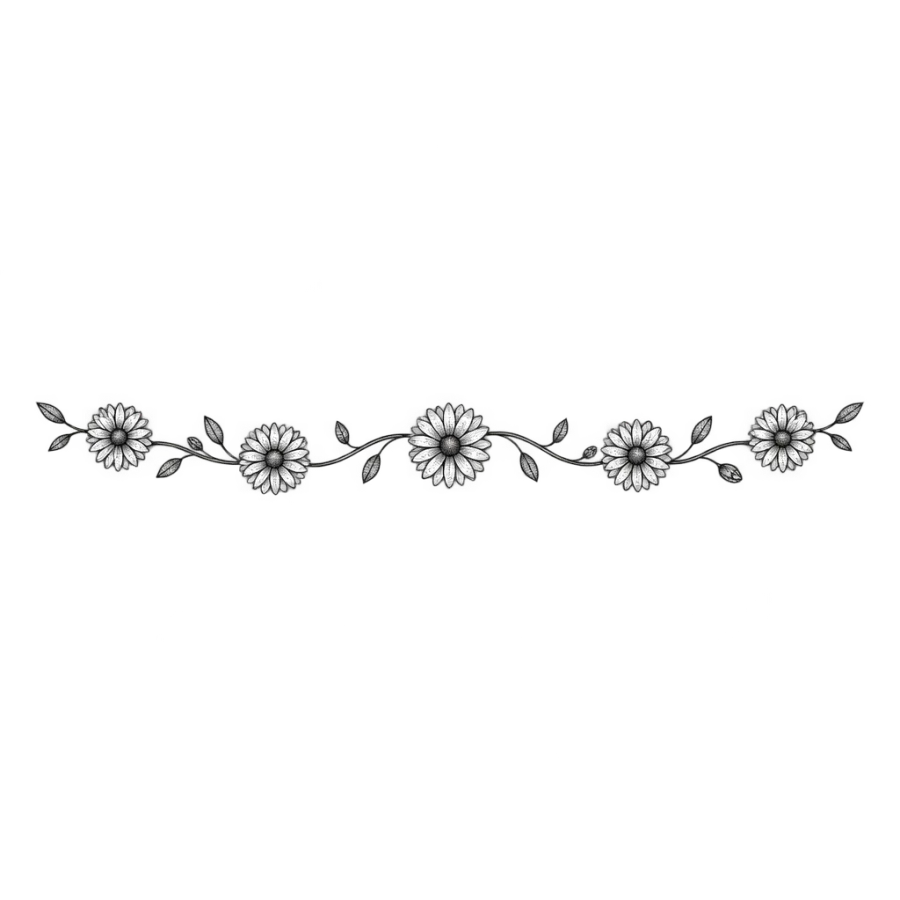
Tiny daisies linked by a thin vine as a delicate wrist band
Use this prompt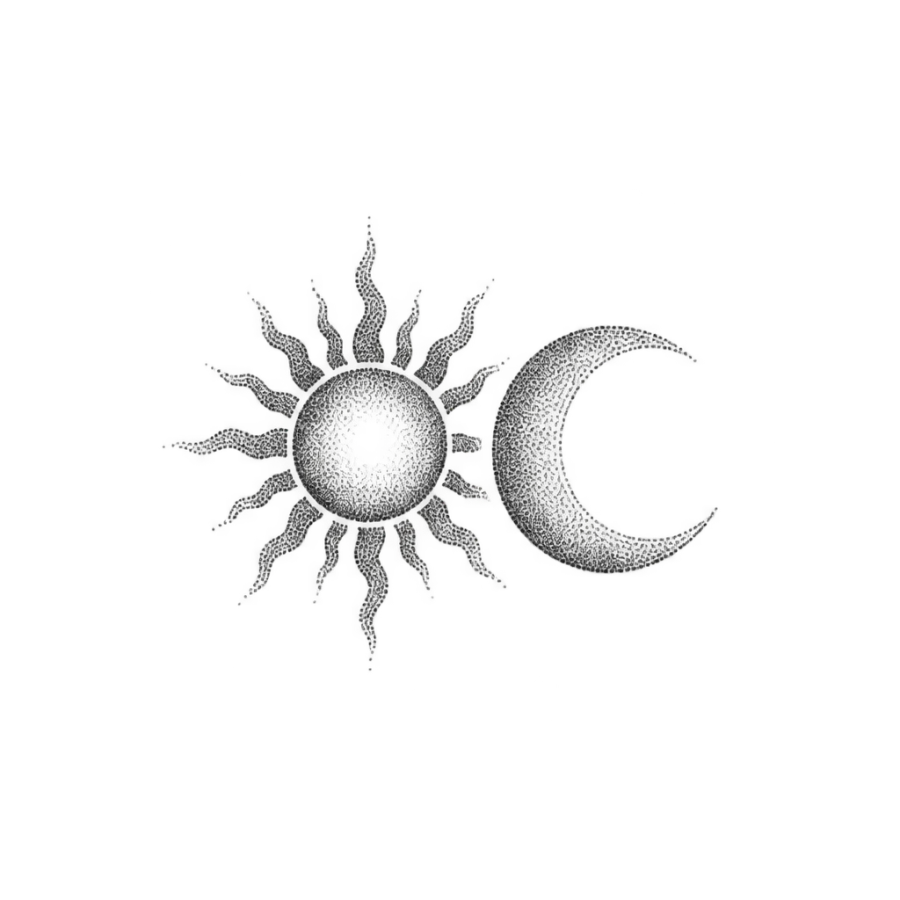
A small stippled sun and crescent moon side by side for the wrist
Use this prompt
A thin band of interlocking chevrons with a small diamond in the middle
Use this prompt
A small butterfly with soft spreading color washes, watercolor, wrist sized
Use this prompt
Stylized wind bars with a cherry blossom sprig as a small wrist band
Use this promptDescribe an idea of your own and get four designs back in about 20 seconds.
Open the generator
Questions people ask
How much does a wrist tattoo cost?
Most wrist tattoos land between $80 and $250. Small script or a simple symbol often just hits the shop minimum, usually $80 to $150. A wrapping band with ornamental detail runs $200 to $400 and takes an hour or two. Prices are higher in large cities and with in demand artists.
Does a wrist tattoo hurt?
Yes, more than the forearm. Most people rate it 5 to 6 out of 10, because the skin is thin and sits over tendons, nerves and bone with almost no padding. The good news is the speed. A small wrist piece is often finished in under 45 minutes.
Why do wrist tattoos blur or blow out?
The dermis is shallow on the wrist, so ink can spread sideways under the skin if the needle goes even slightly deep. That is a blowout, and it looks like a grey haze around a line. Constant flexing and sun exposure also soften lines faster here than on the arm.
Can you hide a wrist tattoo at work?
Partly. A watch face or a wide band covers about 3 to 4 cm of the inner wrist, and a long sleeve with a buttoned cuff covers the rest. Anything that wraps the full wrist will show from some angle. For a genuinely hidden spot, choose the inner upper arm.
What size should a wrist tattoo be?
Keep it between 3 and 8 cm, roughly 1 to 3 inches, on any single face of the wrist. A wrapping band uses the full 15 to 18 cm circumference. Designs larger than that lose their shape on the curve and are better placed on the forearm instead.