Hand tattoo ideas and placement
Hand tattoos hurt, fade faster than anywhere else on the body, and cannot be hidden, which is why many artists will talk you through it first.
- Pain level7 to 8 / 10 over bone
- Session time1 to 3 hours
- Typical size6 to 10 cm (2 to 4 in)
- Studio cost$150 to $500

Hand tattoos are the most demanding placement on this list, and not because of the sitting. They hurt, they heal unevenly, they fade faster than anywhere else on the body, and they cannot be covered by clothing. Plenty of artists will only tattoo hands for people who are already heavily tattooed.
None of that means do not get one. It means going in with clear eyes: bold design choices, realistic expectations about touch ups, and an honest view of what visible tattoos mean for the work you do. Take your design to a licensed artist and have that conversation before you book.
How much a hand tattoo hurts
Expect 7 to 8 out of 10. The back of the hand is skin, tendon and bone with essentially nothing in between, and the tendons shift under the needle while the artist works. The web between the thumb and index finger and the skin over the knuckles are the sharpest parts.
The upside is speed. A hand piece is usually 1 to 3 hours and most people manage it in one sitting. The palm is a separate conversation: it hurts more, and palm tattoos reject most of the ink within months because of how fast that skin renews, so many artists will not do them at all.
Sizing and shape on the back of the hand
The back of the hand is a fan, narrow at the wrist and spreading toward the knuckles, and it measures only about 8 to 10 cm (3 to 4 in) long by 7 to 9 cm (3 to 3.5 in) wide. A design that follows that fan shape, with its widest part near the knuckles, sits better than a square block.
Keep it bold. Thin lines packed closely together will merge within a couple of years on a hand. Solid shapes, open spacing and strong outlines survive. Small lettering and delicate grey wash are the two things that consistently disappoint people on this placement. Ask to see healed photographs of hand work from your artist, not fresh ones, before you commit to a design.
Why hand tattoos fade fastest
Hands are the hardest area on the body to heal well. You wash them constantly, you use them for everything, and the skin renews faster here than almost anywhere else. Patchy healing, where some areas hold ink and others drop it, is normal on a hand rather than a sign of a bad artist.
Fading is the bigger issue. Between hand washing, friction and daily sun, hand tattoos lose definition faster than any other placement. Most need a first touch up within 6 to 18 months and another every few years after that. Budget for it, and ask your artist upfront whether the first touch up is included.
What helps a hand tattoo last
- Bold outlines and solid black rather than fine detail
- Keeping the healing tattoo dry and out of gloves for two weeks
- Daily SPF 30 or higher once it has healed
- Accepting a touch up in the first year as part of the plan
- Choosing a design that still reads when the lines soften
Styles that suit the hand and what work will think
Bold traditional, heavy blackwork and ornamental patterns are the styles that hold up. Solid black areas, clear outlines and simple shapes stay readable for decades. Realism, fine line script and soft grey shading all struggle, because hand skin does not hold the fine detail those styles depend on. Bold color can work, though solid black holds its edges longer than any other pigment on a hand.
On work, be realistic. Hand tattoos cannot be hidden by clothing, and while attitudes have relaxed a great deal, some fields still treat them as a problem. That is where the phrase job stopper comes from. If you are unsure about your industry, the inner forearm gives you visibility you can control. A forearm piece can be shown or covered depending on the shirt you put on that morning.
12 hand tattoo designs, with the prompt behind each one
Every design below came out of AI Tattoo Lab. Tap one to load its prompt into the generator, then change a word and make it yours.

A butterfly with wings spread across the back of the hand, fine line, no shading
Use this prompt
An all seeing eye in a sunburst above a small rose, hand piece, traditional
Use this prompt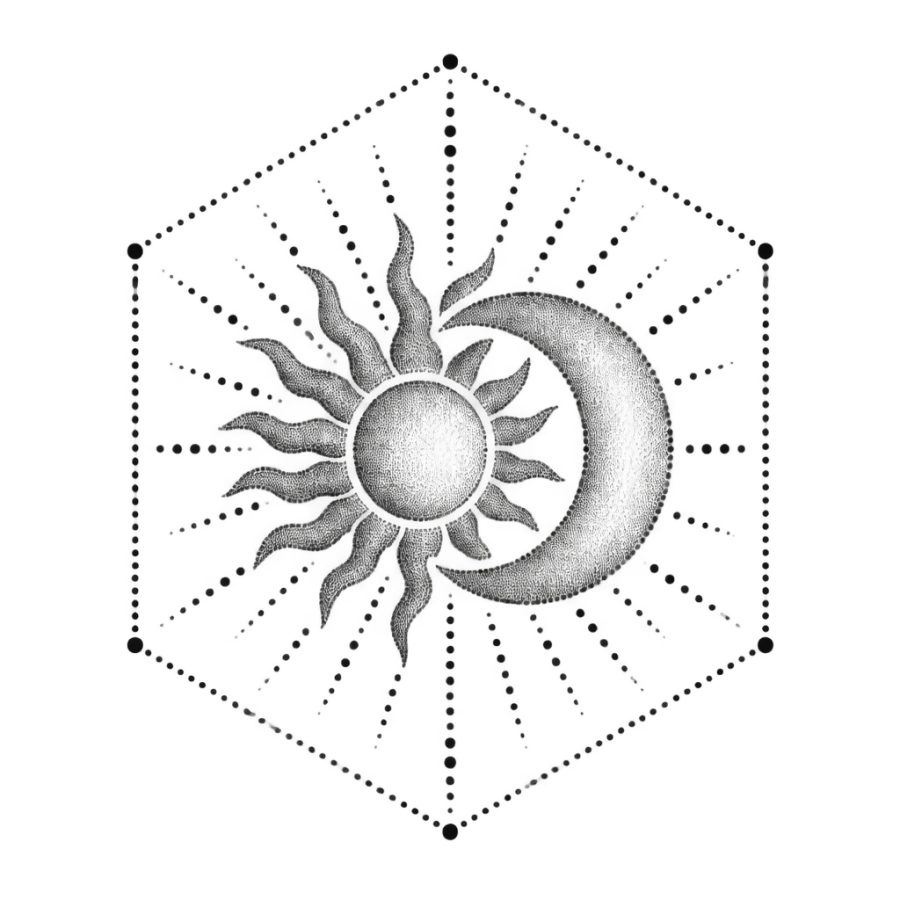
A hexagon with an interlocking sun and crescent moon for the hand, dotwork stippling
Use this prompt
A solid black ornamental shield with a starburst cut out, spanning the hand
Use this prompt
A swallow in flight carrying a small banner, wings spread across the hand
Use this prompt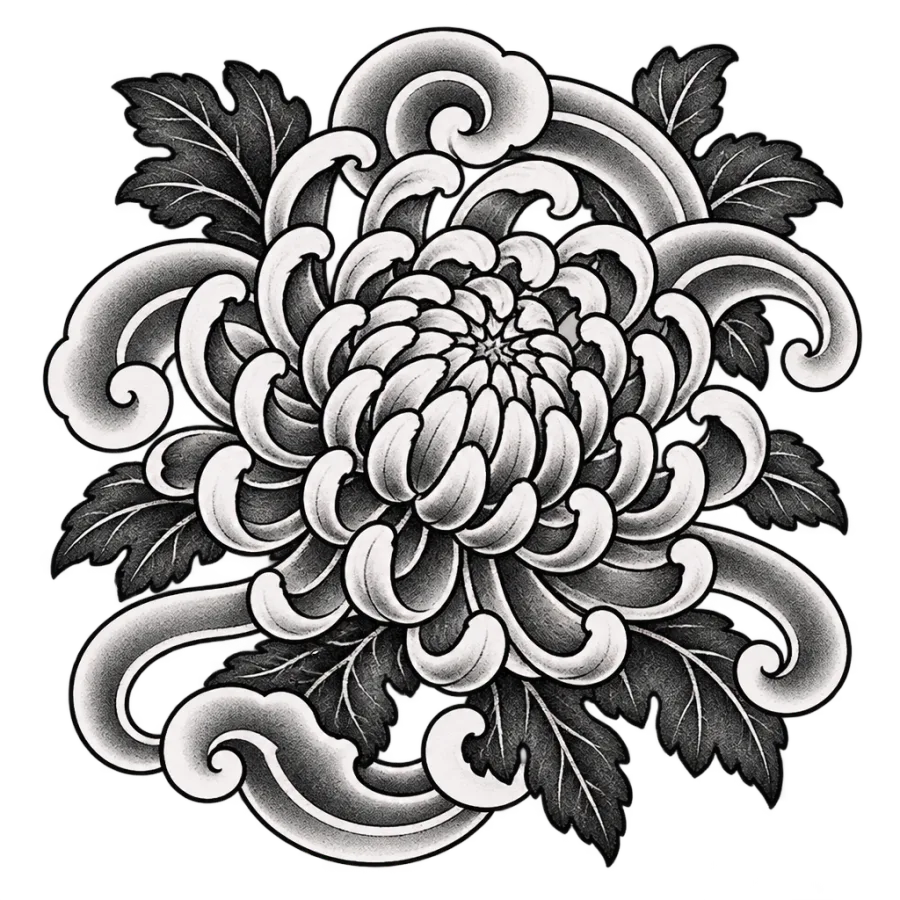
A chrysanthemum with leaves and wind bars filling the back of the hand
Use this prompt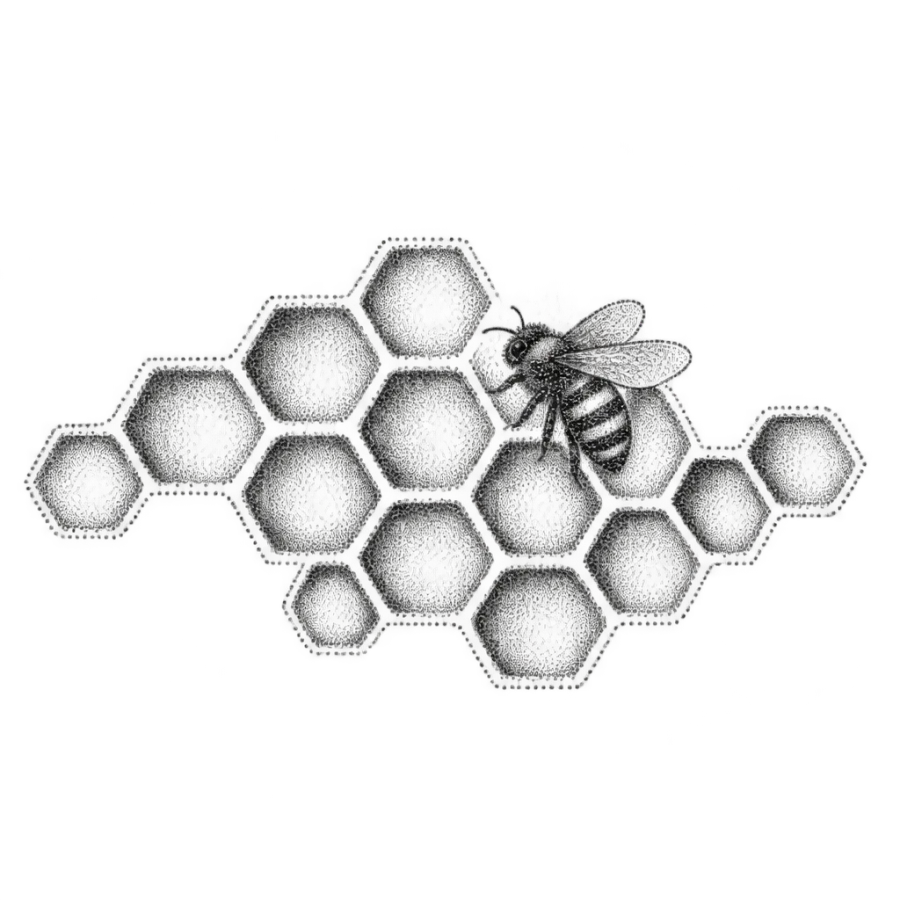
Honeycomb hexagons with one small bee, spread across the back of the hand
Use this prompt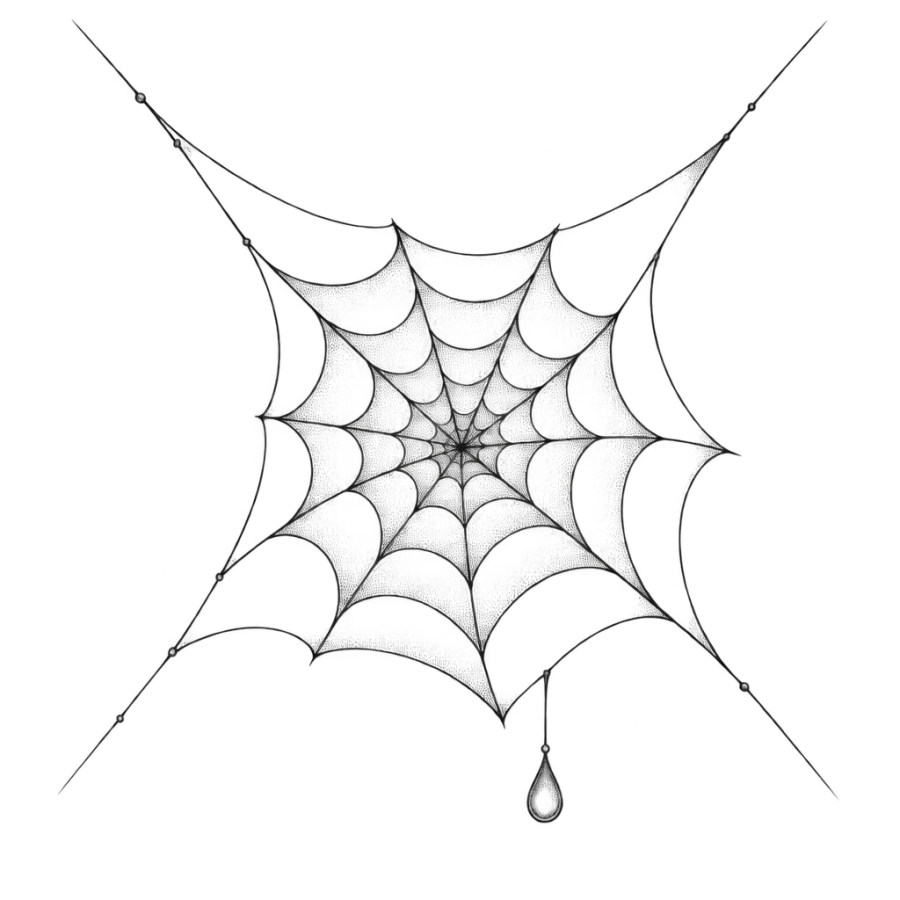
A delicate spiderweb with one dewdrop, stretched across the back of the hand
Use this prompt
A lace cuff panel with small pendant drops trailing toward the knuckles
Use this prompt
A tiger head facing forward, squared to fill the back of the hand
Use this prompt
A sun in a squared halo of rays with four moon phases at the corners
Use this promptDescribe an idea of your own and get four designs back in about 20 seconds.
Open the generator
Questions people ask
How fast do hand tattoos fade?
Faster than any other placement. Constant washing, friction and sun mean most hand tattoos lose crispness within a year and need a first touch up at 6 to 18 months. After that, a refresh every three to five years is common. Bold designs hold their shape far longer than fine ones.
How much does a hand tattoo cost?
Most hand pieces run $150 to $500 for a single hand, taking one to three hours. Detailed ornamental work across both hands can reach $800 to $1,200. Ask whether the first touch up is included in the price, because on hands you will almost certainly need one.
Does a hand tattoo hurt?
Yes, around 7 to 8 out of 10. There is no muscle or fat between the skin and the bones and tendons of the hand, and the knuckles and the web of the thumb are the worst points. It is short, though: most hand tattoos are finished within three hours.
Why do some artists refuse to tattoo hands?
Two reasons. Hands heal unpredictably and fade fast, so the work rarely represents an artist well over time. And because hands cannot be covered, many artists will not give one to a client with little or no other visible work. Some studios ask you to come back after a cooling off period.
Is a hand tattoo still a job stopper?
Less than it was, but it depends on the field. Creative work, trades, hospitality and much of tech are relaxed about visible tattoos. Law, finance, medicine and client facing corporate roles are often not. Check your own industry honestly rather than relying on general trends.