Watercolor tattoo ideas and designs
Watercolor imitates pigment bleeding on wet paper, which looks beautiful on day one and needs careful structural planning to still look intentional at year ten.
- Pain level5 / 10, soft passes
- Healing3 to 4 weeks for color
- Typical size12 to 30 cm (5 to 12 in)
- Studio cost$400 to $1,200
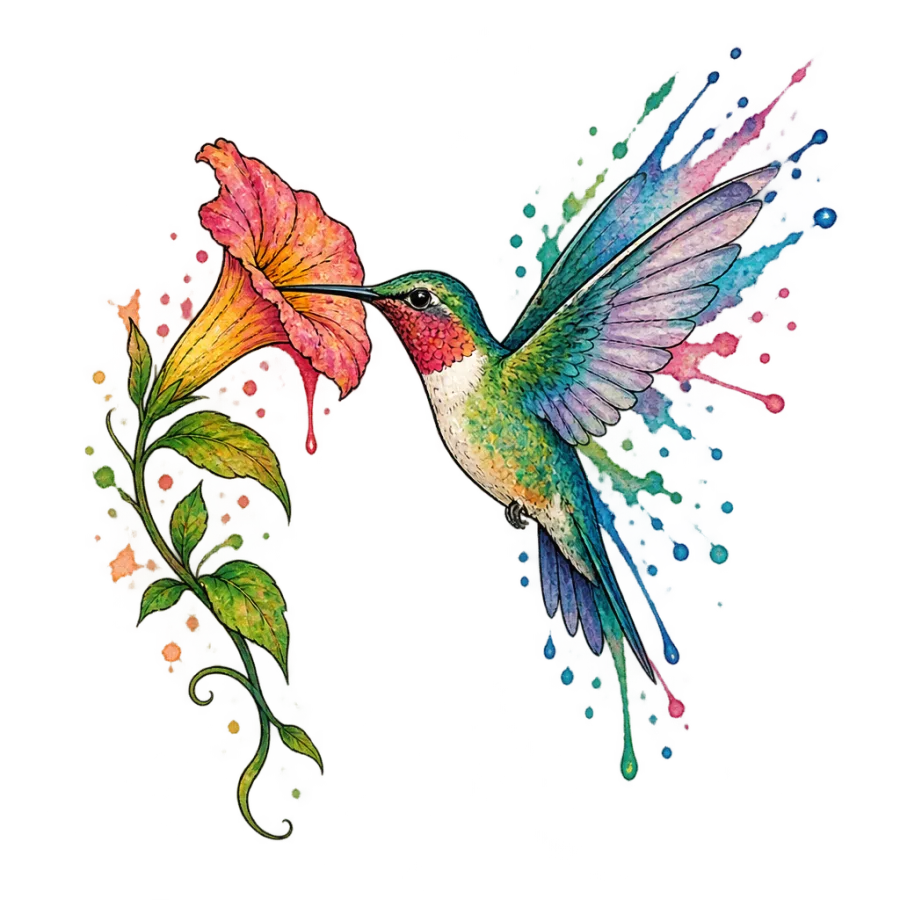
Watercolor tattooing takes the visual language of paint: soft color washes, drips, spatter, edges that fade into nothing. Artists lay diluted pigment with magnums in loose, sweeping passes, often letting two colors meet and blend on the skin the way they would on wet paper.
The style attracts strong opinions because it breaks the rule that has protected tattoos for a century. There is often no black outline holding the shape together. That is exactly what makes it look painterly and also exactly what makes its long term durability the most important thing to plan for before you sit down.
How the painted effect is made
Color is thinned and laid with soft magnums, usually a 9M1 or 13M1, worked in quick sweeping passes with a light touch so the edge fades rather than stops. Spatter is made by flicking a liner over stretched skin or by tapping a loaded needle, and drips are drawn deliberately with a 5RL then softened at the tail.
Some artists lay a light grey base first to give the color something to sit against, which noticeably improves how the piece reads after healing. Others work color only. The choice is worth asking about, because a watercolor piece with no underlying value structure relies entirely on pigment saturation to stay visible.
Choices that make watercolor last
- A fine line or grey wash structure under the color as an anchor
- Saturated mid tones rather than pale pastel washes
- Warm reds, blues and greens over delicate yellows and pinks
- Placement away from constant sun, such as the upper arm or thigh
- A planned touch up around year three to restore saturation
The honest durability question
Watercolor is the least durable common style, and any artist who tells you otherwise is selling. Light, diluted pigment sits sparsely in the skin, so it fades faster than packed color, and there is often no black skeleton left behind when it does. A pale pink wash can become almost invisible in five to eight years.
It is not hopeless. Pieces built on a real drawing, with an anchoring line or a grey base underneath and saturated rather than pastel color, still look like a deliberate design at fifteen years, just softer and gentler. The ones that vanish are the ones that were only a spray of pale color to begin with.
Subjects that suit the style
Flowers, birds, hummingbirds, koi, feathers, jellyfish, galaxies, abstract splashes behind a silhouette and portraits of animals with color bursting out of them all work well. The style reads best when there is a recognizable subject with the paint behaving loosely around it, rather than color floating on its own. Animals work particularly well, because a grey or black base can carry the form while the color stays loose around it.
It sits poorly with anything that needs precision. Lettering in watercolor blurs into illegibility, and geometric patterns fight the loose edges. If you want the painterly feel with better longevity, ask for an illustrative design with bold line work and watercolor style color behind it. That version keeps the energy of the style and still reads clearly twenty years later.
Placement, cost and maintenance
Upper arm, shoulder blade, outer thigh and the upper back are the sensible choices, since they see less direct sun and have stable skin. Forearms and calves look great but take daily UV, which is the fastest way to lose a light wash. Hands, feet and ribs are poor choices for this style.
A 15 to 20 cm watercolor piece usually takes three to five hours and costs $400 to $1,200 at common rates. Factor in maintenance the way you would for a car: one touch up at roughly year three, and probably another at year eight, each costing a fraction of the original session.
12 watercolor tattoo designs, with the prompt behind each one
Every design below came out of AI Tattoo Lab. Tap one to load its prompt into the generator, then change a word and make it yours.
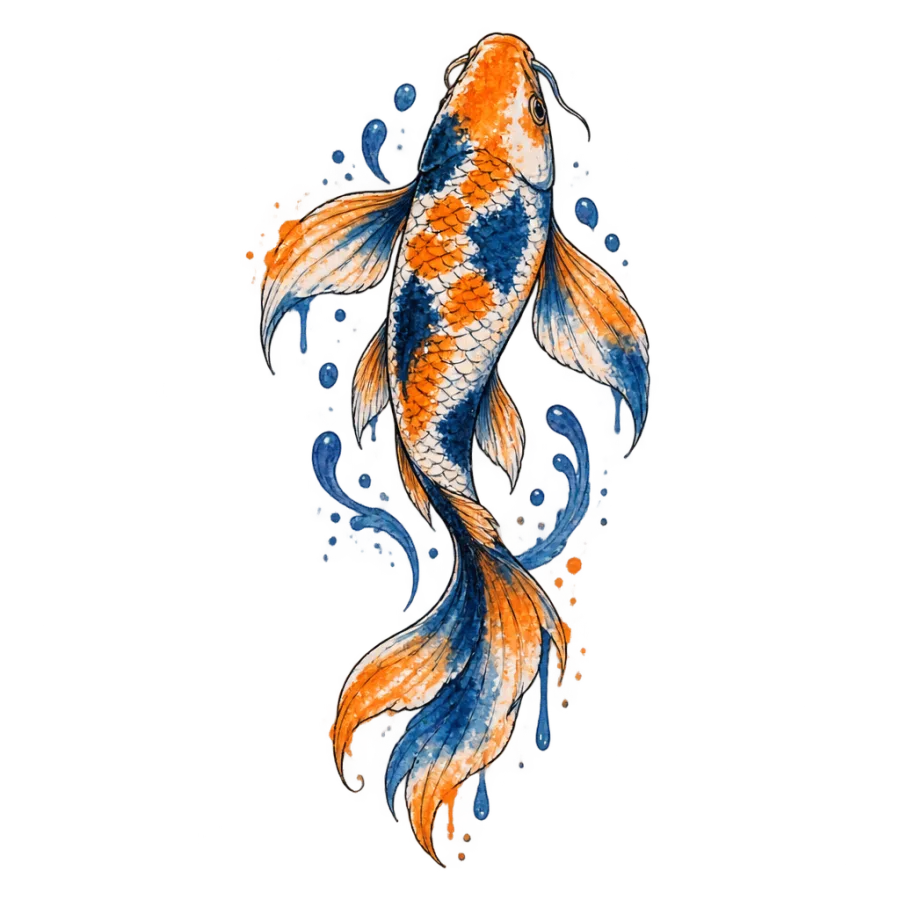
A koi fish swimming upward with flowing fins, watercolor in orange and indigo washes
Use this prompt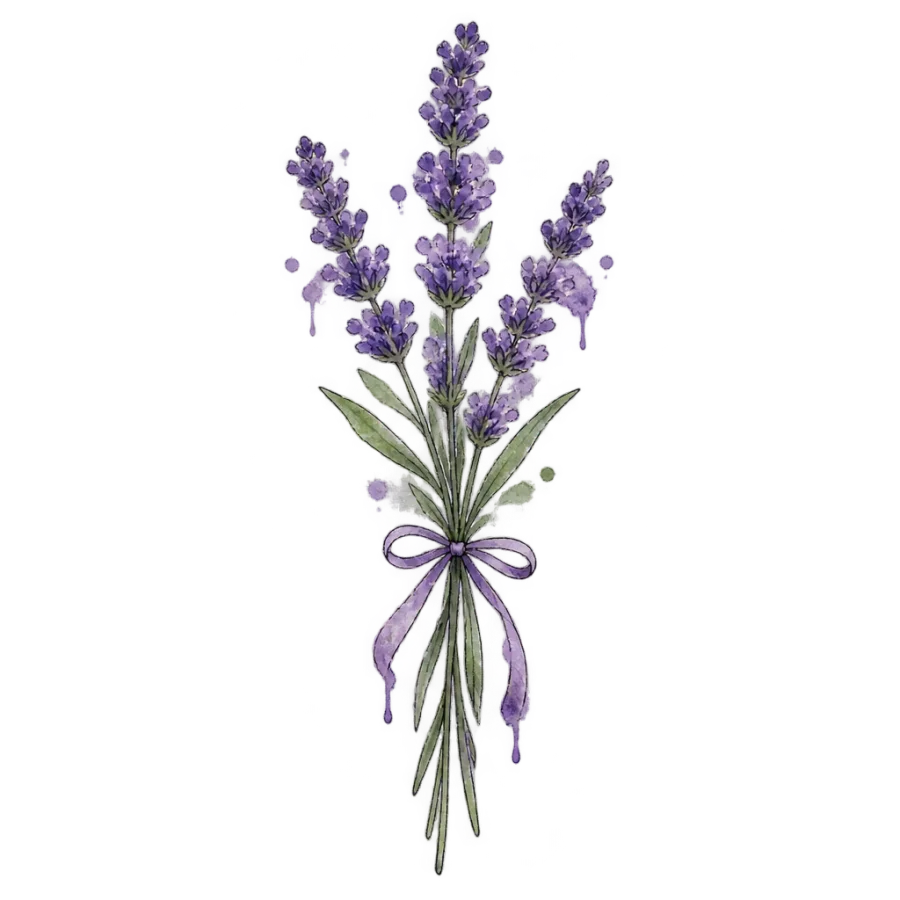
A sprig of lavender tied with a thin ribbon, watercolor in soft purple washes
Use this prompt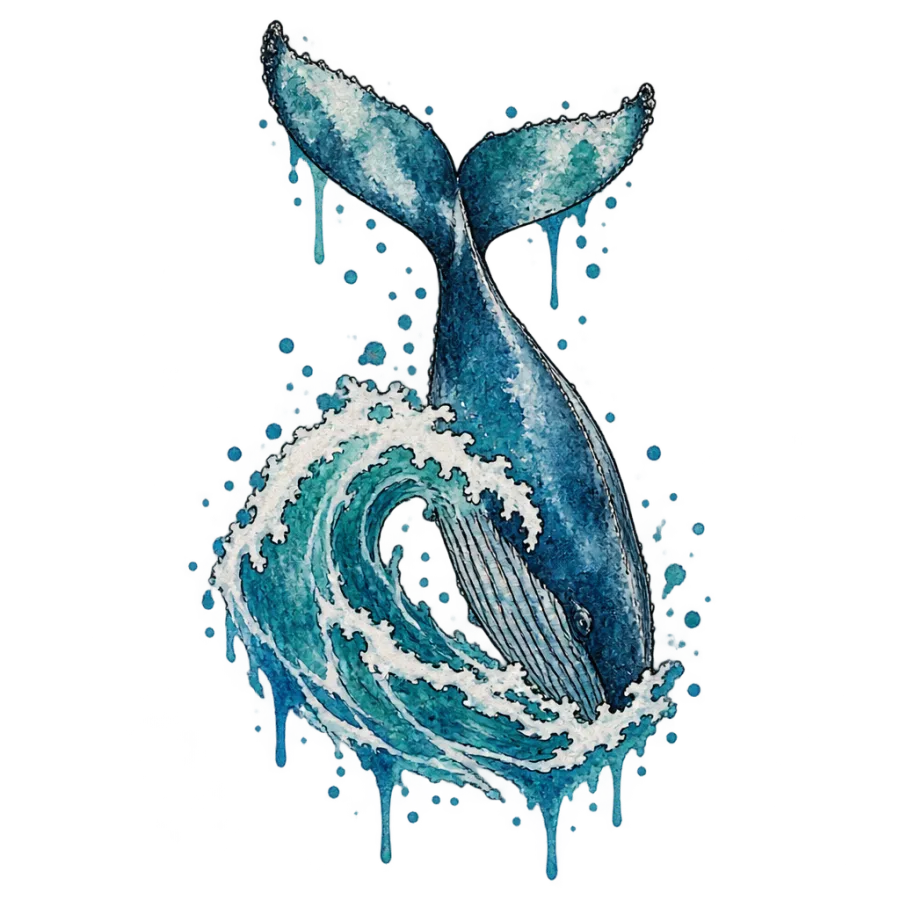
A humpback whale diving over a curling wave, watercolor in teal washes
Use this prompt
A red fox curled asleep, watercolor washes with a splashed tail
Use this prompt
An open book with pages turning into flying birds, watercolor washes
Use this prompt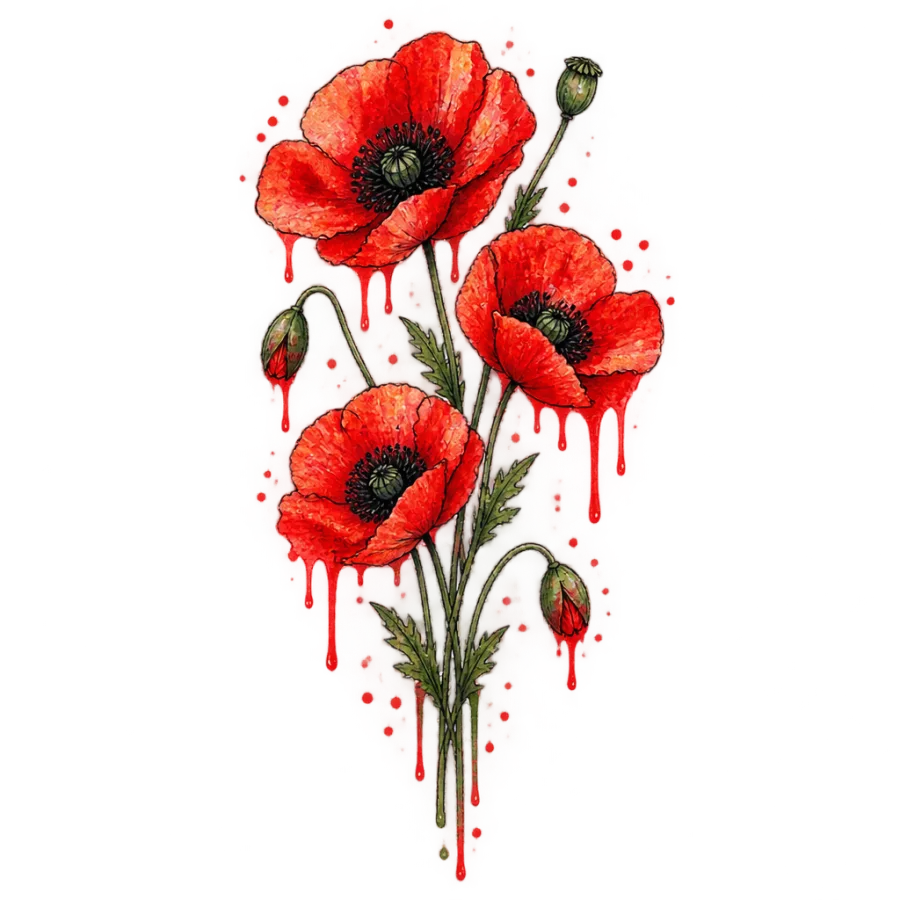
A bunch of red poppies with paint drips running down, watercolor style
Use this prompt
A monarch butterfly whose wings dissolve into color splashes, watercolor
Use this prompt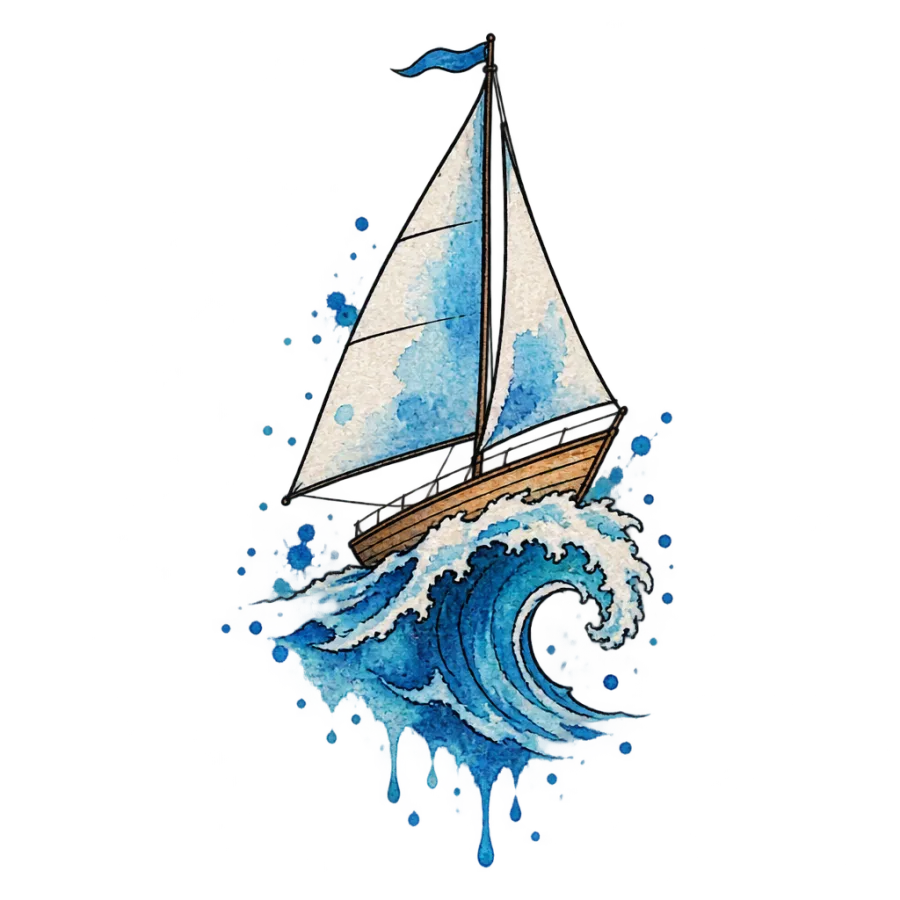
A small sailboat riding a curling blue wave, loose watercolor washes
Use this prompt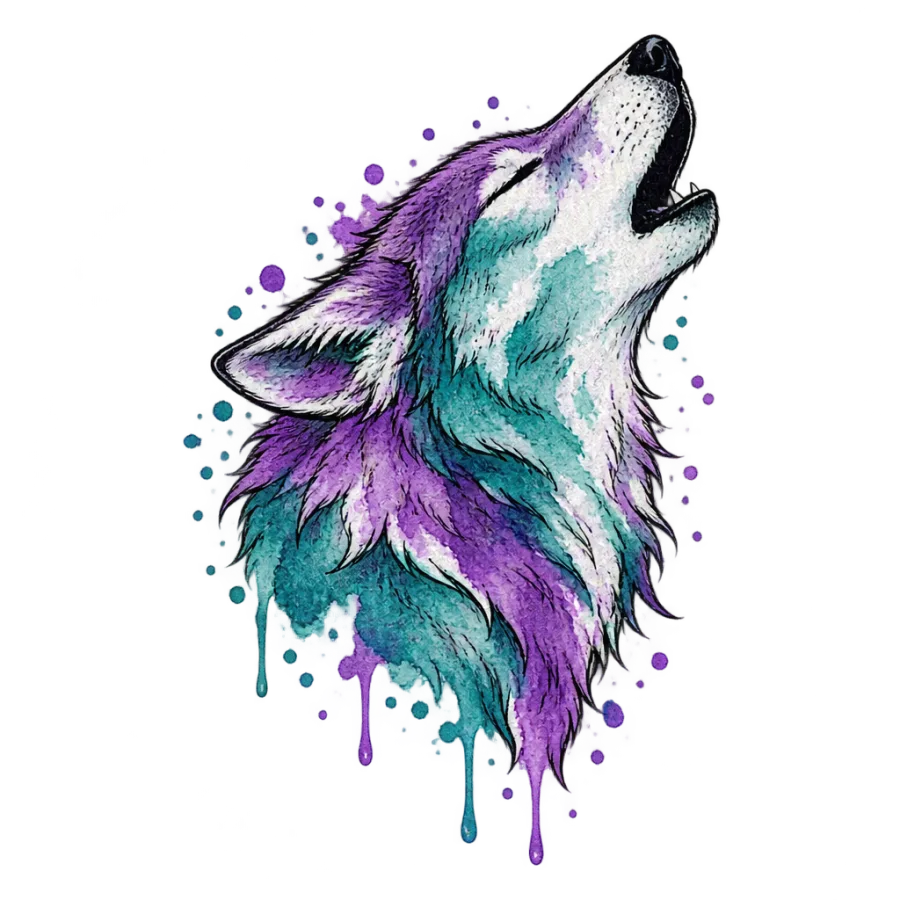
A howling wolf head filled with violet and teal washes, watercolor
Use this prompt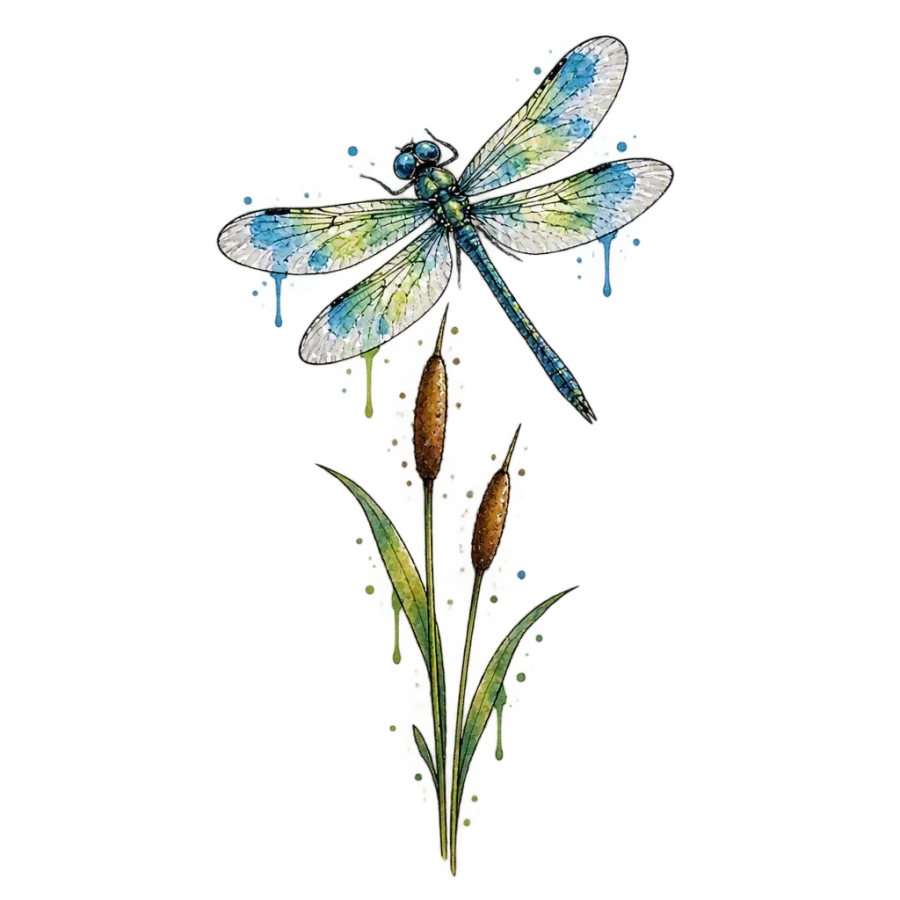
A dragonfly hovering over two slim pond reeds, soft watercolor washes
Use this prompt
A crescent moon with scattered stars and indigo splatter, watercolor
Use this promptDescribe an idea of your own and get four designs back in about 20 seconds.
Open the generator
Questions people ask
Do watercolor tattoos really fade faster?
Yes. Diluted pigment sits sparsely in the skin and pale colors carry little contrast to lose, so a light wash can look weak within five to eight years. Saturated color, a grey or line anchor underneath, and a placement out of daily sun all slow this down considerably.
Should a watercolor tattoo have black outlines?
It does not need them, but some structure helps enormously. A fine line contour or a light grey base under the color gives the design something to fall back on as pigment fades. Fully outline free watercolor looks the most painterly on day one and holds its shape the least over time.
How often do watercolor tattoos need touch ups?
Plan on one around year three and another around year eight, each shorter and cheaper than the original session. Some pieces need less, particularly darker and more saturated ones on protected skin. Treat touch ups as normal upkeep for this style rather than a sign of poor work.
Can watercolor tattoos be covered up later?
Usually yes, and more easily than most color work, because the pigment is light and sparse. Blackwork covers it almost completely, and a bold traditional or neo-traditional design can sit over it with minimal preparation. Laser lightening first is rarely necessary for a pale watercolor piece.
Which colors last longest in a watercolor tattoo?
Deep reds, blues and greens hold best. Yellow, pale pink, light orange and white are the first to weaken, especially with sun exposure. If you want a soft palette, ask your artist to use saturated versions of those colors and lighten them with spacing rather than with heavy dilution.