Mental health tattoo ideas and meanings
A tattoo can mark how far you have come, which is worth doing, as long as it is understood as a marker of progress rather than a substitute for treatment.
- Common symbolsSemicolon, lotus, butterfly
- Typical size2 to 15 cm
- Usual placementsWrist, inner forearm, ribs
- Studio cost$100 to $400
One honest thing first. A tattoo is a record, not a treatment. People do find real value in marking a recovery, and plenty say the piece helps on bad days, but it works alongside care rather than instead of it. If things are difficult right now, crisis support exists in every country and is free to contact, and a tattoo appointment is not urgent.
With that said, this is one of the categories where personal design pays off most. The shared symbols are useful because other people recognize them, which is exactly why some people want them and exactly why others want something only they can read. Both choices are fine, and they lead to very different tattoos.
The symbols and where they started
The semicolon comes from Project Semicolon, started in 2013 by Amy Bleuel after her father's death. The idea is grammatical: a writer uses a semicolon where the sentence could have ended but did not. It spread quickly, which means it is instantly understood and also extremely common. Some people want that recognition. Others find it invites conversations with strangers they did not ask for.
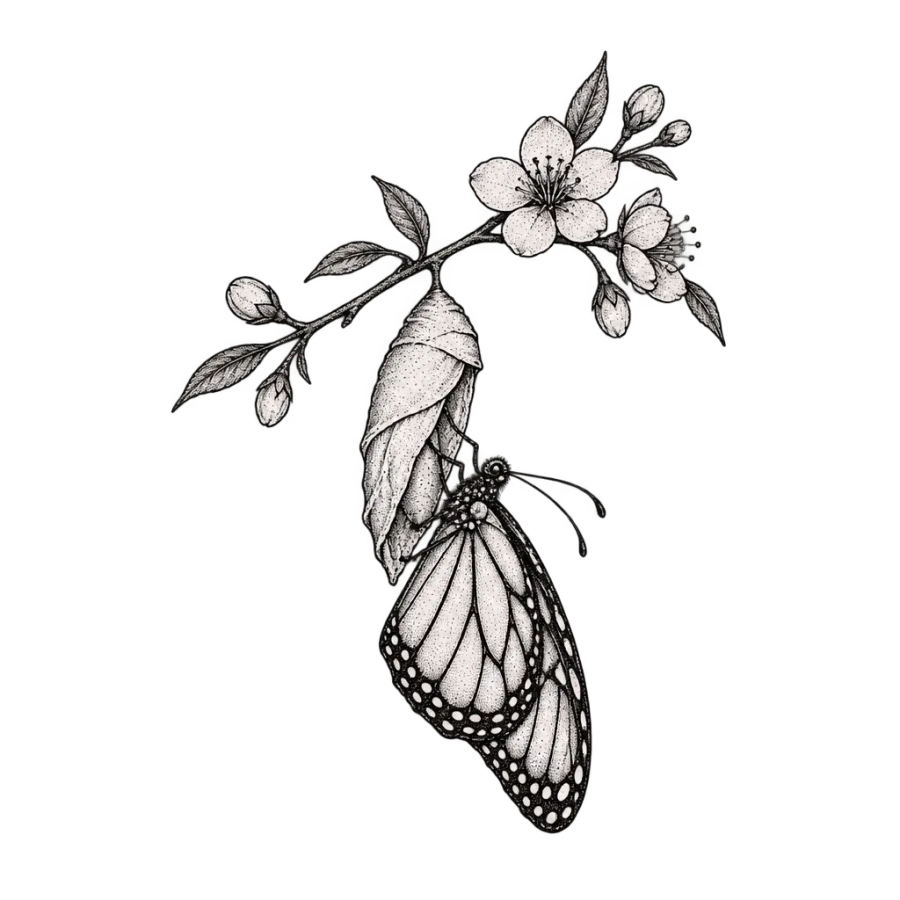
The butterfly carries a separate history through the Butterfly Project, where people drew a butterfly on the skin instead of self harming. The lotus and the sunflower get used for coming through a bad stretch and for turning toward light. The unalome comes from Thai Buddhist practice, not from wellness design, and is worth reading about properly before wearing it.
What these read as
- Semicolon: the sentence could have ended and did not
- Butterfly: drawn on skin instead of harm, from the Butterfly Project
- Lotus: clean growth out of a bad period
- Wave or tide line: it comes in and it also goes out
- Plain date: a private marker nobody else can decode
Making it private if you want it private
If you would rather not explain it, choose something with no public code. The date of the first appointment you kept, in roman numerals. The plant you managed to keep alive that year, drawn botanically. The handwriting of the friend who texted every morning, traced from a real note. The waveform of a song you played on repeat. All of these look like ordinary tattoos to everyone else.
People who want the recognition do the opposite and keep the shared symbol clear and visible, which is a legitimate choice: several people report that strangers have started conversations because of it. Decide which you want first, because it changes both the design and the placement more than any style question does.
Placements, including over scars
Inner wrist is the most common spot and the most visible, so think about whether you want to answer questions at work or at a checkout. Inner forearm gives more room and is easier to cover with a sleeve. Ribs, upper thigh and the back of the arm keep it entirely yours. Behind the ear works for something under about 4 cm.
If you want to tattoo over self harm scars, it is often possible and many artists do this work thoughtfully. The tissue needs to be fully mature, generally at least a year old and ideally longer, with no redness or raised edges. Ink can sit unevenly in scarred skin and the result may need a second pass. Ask to see healed photographs of similar work before booking, and expect the artist to want to see the area in person.
Keeping it good in ten years, and what to bring
The thing most likely to date is text. A phrase in a trend script, a lyric that meant everything for eighteen months, or a hashtag style line will read as a specific year. An illustrated subject and a plain typeface both age better. Size matters too: anything under 2 cm with internal detail will blur, so give a small semicolon a slightly heavier line than you think it needs and accept a touch up at some point.
Take these to the appointment
- A clear answer on whether you want it visible or private
- The date, handwriting or plant you want used, photographed flat
- Honest information about any scarring, including how old it is
- A note if you would rather the artist not ask about the meaning
- Your AI Tattoo Lab designs printed, sized for the placement in cm
12 mental health tattoo designs, with the prompt behind each one
Every design below came out of AI Tattoo Lab. Tap one to load its prompt into the generator, then change a word and make it yours.

A semicolon woven into the stem of a wildflower sprig, minimalist single line
Use this prompt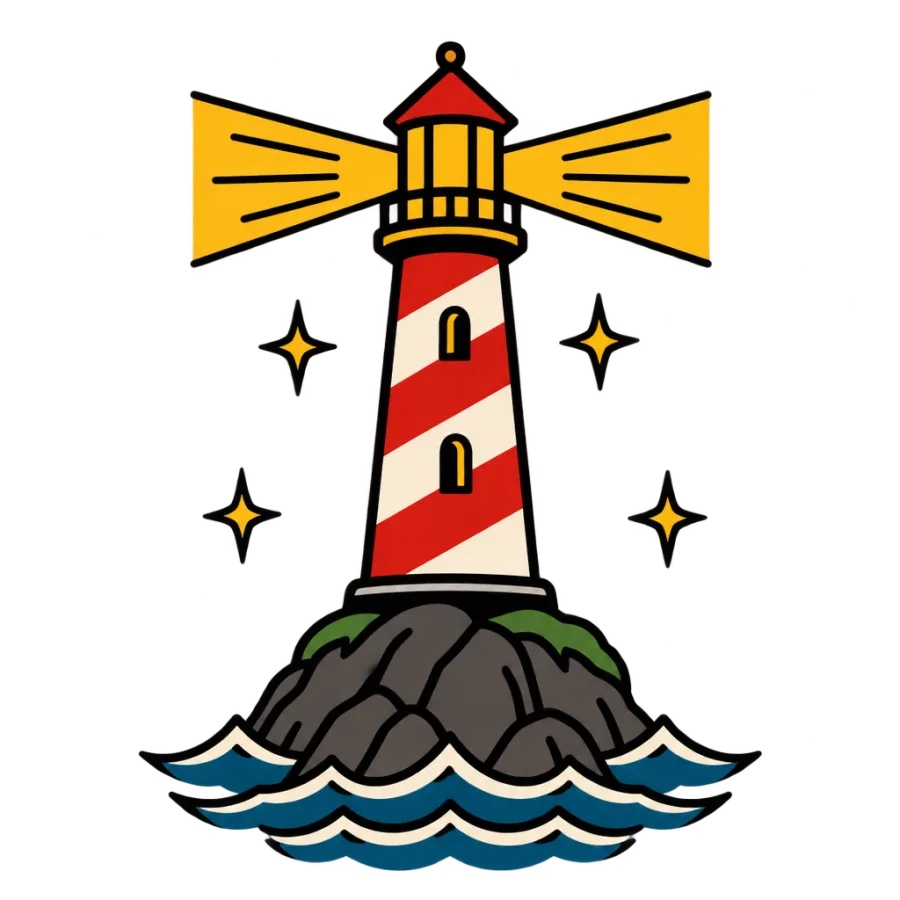
A lighthouse on a rock casting beams over calm water, American traditional, bold outlines
Use this prompt
An ornate birdcage with the door open and a swallow flying free, blackwork
Use this prompt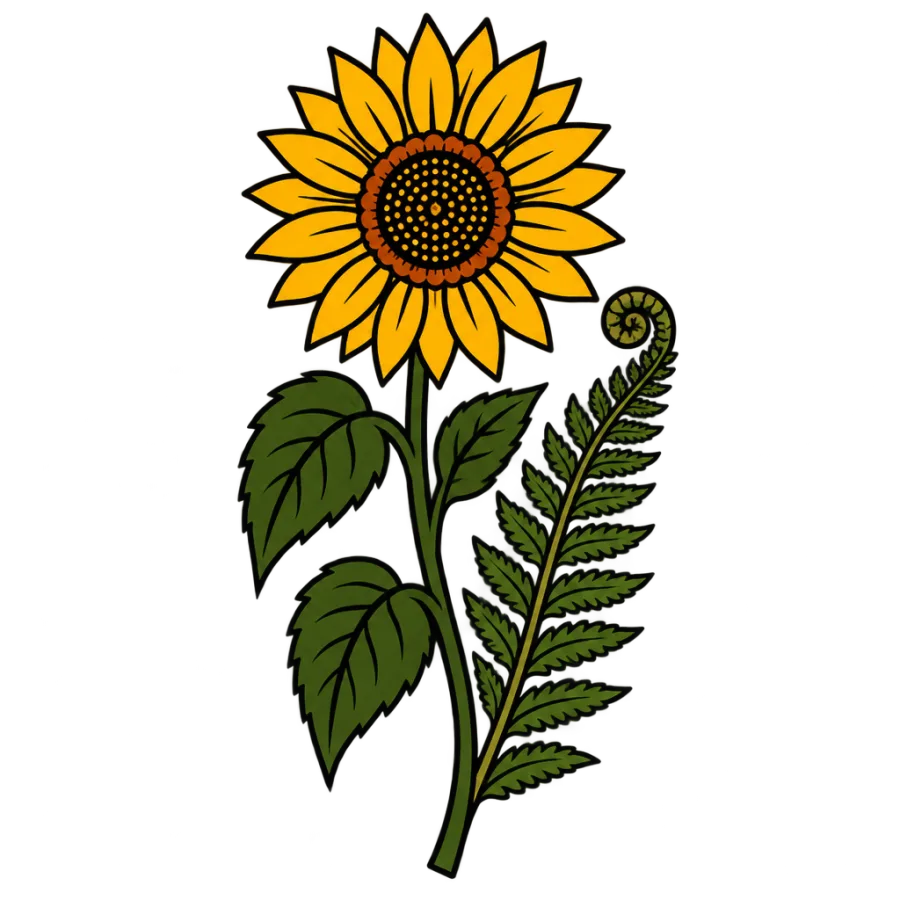
A tall sunflower in bloom next to an unfurling fern frond
Use this prompt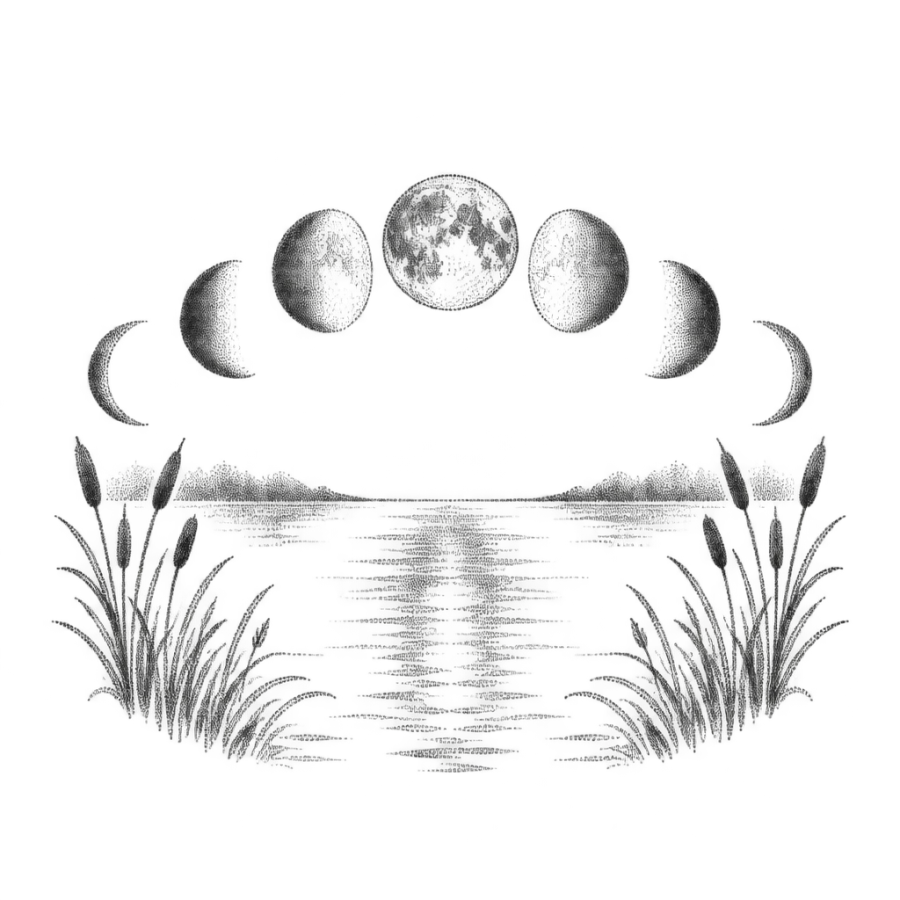
Moon phases arcing over a still lake with reeds below
Use this prompt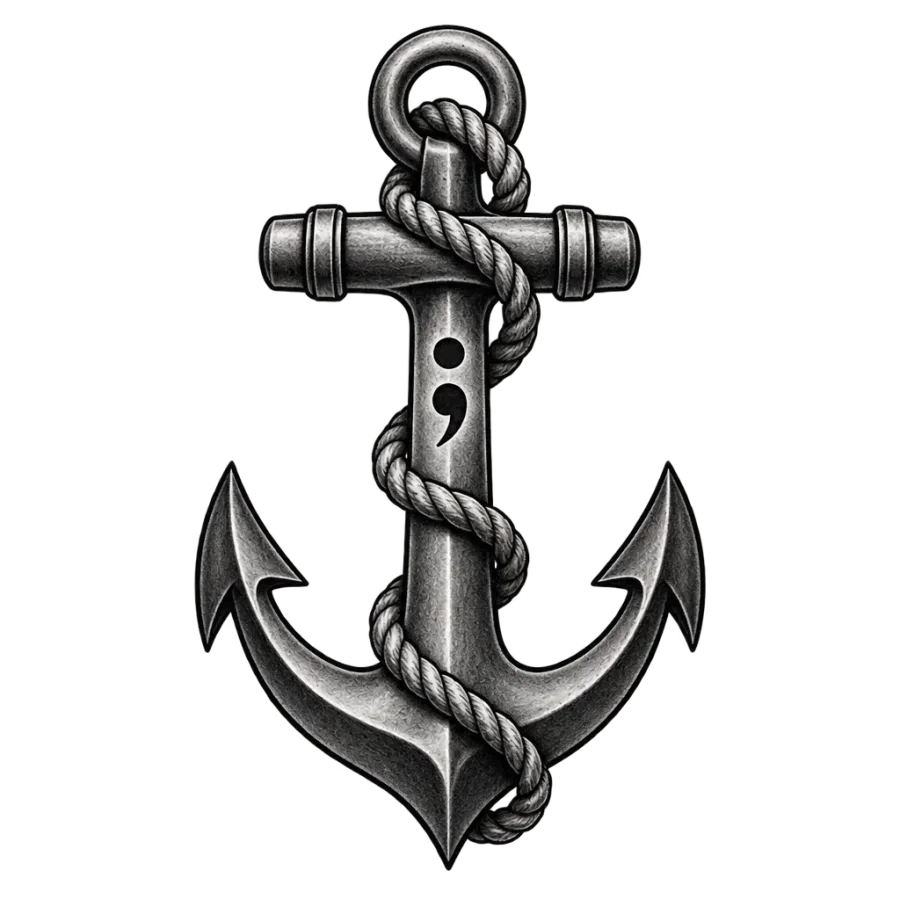
An anchor wrapped in rope with a small semicolon on the shank
Use this prompt
A tangled thread unravelling into a calm line with a small bird
Use this prompt
A tree with deep roots sheltering a small nest in its branches
Use this prompt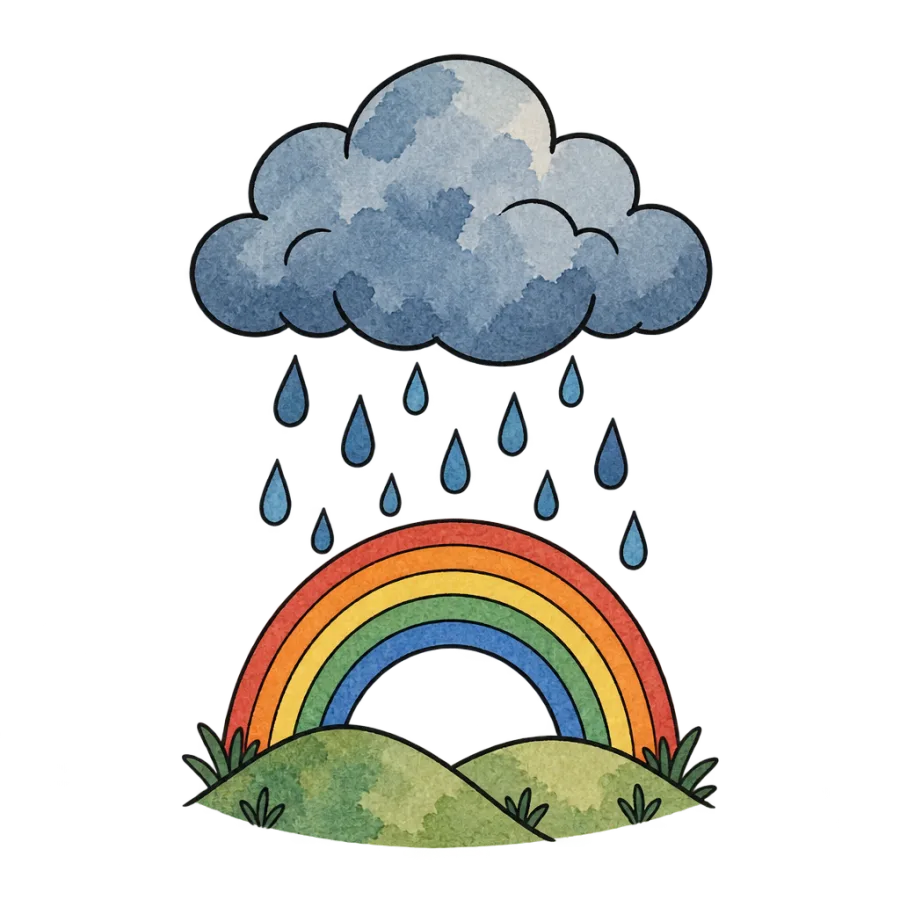
A raincloud clearing into a rainbow arc over small hills
Use this prompt
A circular labyrinth with one winding path to the center
Use this prompt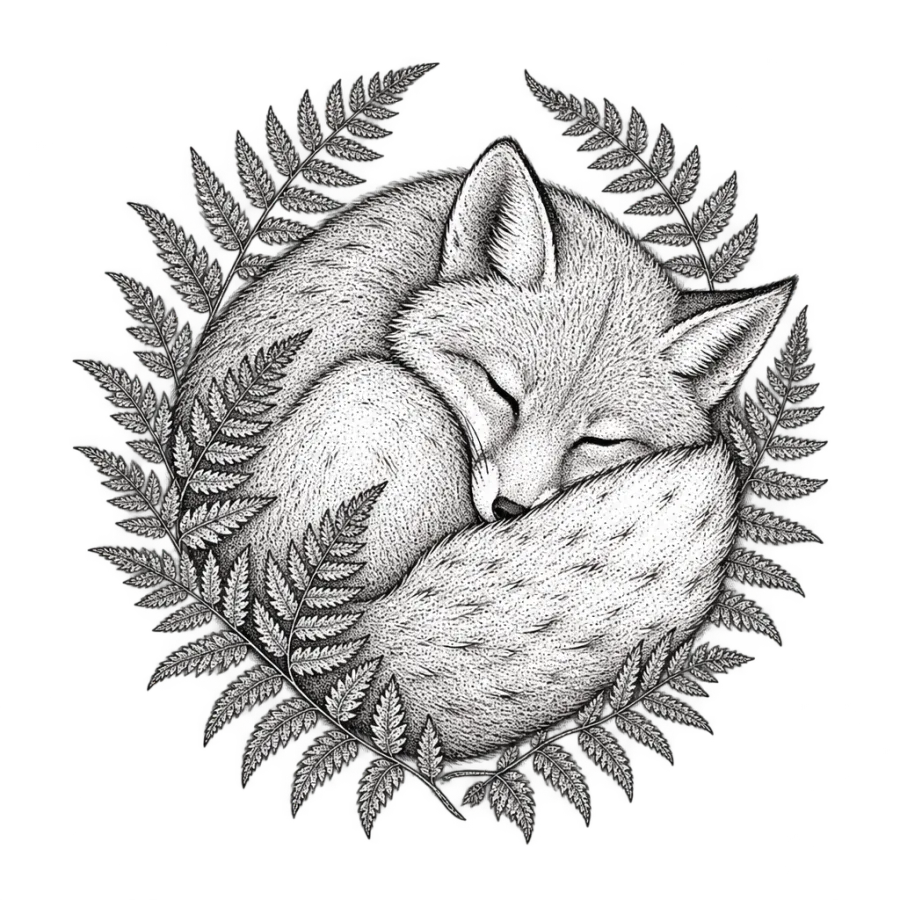
A sleeping fox curled into a circle among fern fronds
Use this promptDescribe an idea of your own and get four designs back in about 20 seconds.
Open the generator
Questions people ask
What does a semicolon tattoo mean?
It comes from Project Semicolon, founded in 2013, and uses the grammar directly: a semicolon marks a place where a sentence could have ended but the writer continued. People wear it for surviving a hard period or in memory of someone. It is widely recognized, which is both its strength and its drawback.
Can you tattoo over self harm scars?
Often yes, once the tissue is fully mature, usually at least a year old with no redness or raised edges. Scarred skin takes ink unevenly, so the design may need a second pass and works better with texture than with fine straight lines. Ask to see the artist's healed work on scars first.
Should a mental health tattoo be visible?
That depends entirely on whether you want to talk about it. A wrist piece will get noticed and asked about, which some people value and others find exhausting. Inner forearm, ribs and upper thigh give the same tattoo without the conversation. Decide this before you choose the design.
Is getting a tattoo good for recovery?
Many people find marking a milestone genuinely helpful, and some describe the piece as a useful reminder on hard days. It is not treatment, though, and it should sit alongside proper support rather than replace it. If you are struggling right now, contact a crisis service in your country first.
How much does a small semicolon tattoo cost?
Almost always the shop minimum, typically $100 to $180 in most cities, because the work itself takes minutes. Building it into a flower or a larger illustration moves it to $200 to $400. Some studios run flash days for mental health charities, which is worth asking about.